Electric vehicles are changing how people think about transportation. An electric vehicle, or EV, uses one or more electric motors instead of an internal combustion engine to move. These vehicles draw power from rechargeable battery packs rather than gasoline or diesel fuel.
The global shift toward electric vehicles has accelerated in recent years. Automakers now offer dozens of EV models, from compact cars to full-size trucks. Governments worldwide provide incentives for buyers, and charging infrastructure continues to expand. Whether someone wants to reduce fuel costs, lower emissions, or simply try new technology, understanding electric vehicles is a smart first step.
Table of Contents
ToggleKey Takeaways
- Electric vehicles (EVs) use electric motors and rechargeable battery packs instead of gasoline engines, offering a cleaner alternative to traditional transportation.
- There are four main types of electric vehicles: Battery Electric Vehicles (BEVs), Plug-in Hybrids (PHEVs), Standard Hybrids (HEVs), and Fuel Cell Vehicles (FCEVs).
- EV owners typically save 50% to 70% on fuel costs compared to gasoline car owners, with fewer maintenance expenses due to fewer moving parts.
- Electric vehicles produce zero tailpipe emissions, and their environmental benefits increase as the power grid shifts toward renewable energy.
- U.S. buyers may qualify for federal tax credits up to $7,500, plus additional state incentives for purchasing an electric vehicle.
- Key challenges include range anxiety, longer charging times compared to refueling, higher upfront costs, and reduced battery efficiency in cold weather.
How Electric Vehicles Work
Electric vehicles operate on a simple principle: they convert electrical energy into motion. The process starts with the battery pack, which stores energy from an external power source. When a driver presses the accelerator, the battery sends electricity to the electric motor. The motor then spins and transfers power to the wheels.
Unlike gasoline engines, electric motors produce instant torque. This means electric vehicles can accelerate quickly from a standstill. Drivers often notice how smooth and quiet the ride feels compared to traditional cars.
The battery pack is the most critical component of an electric vehicle. Most modern EVs use lithium-ion batteries because they hold more energy and last longer than older battery types. These packs can weigh several hundred pounds and sit low in the vehicle’s frame. This placement gives electric vehicles a lower center of gravity, which improves handling.
Regenerative braking is another feature that makes electric vehicles efficient. When a driver slows down, the motor works in reverse and captures energy that would otherwise be lost as heat. This energy goes back into the battery, extending the vehicle’s range. Some electric vehicles allow drivers to adjust how aggressive this regeneration feels.
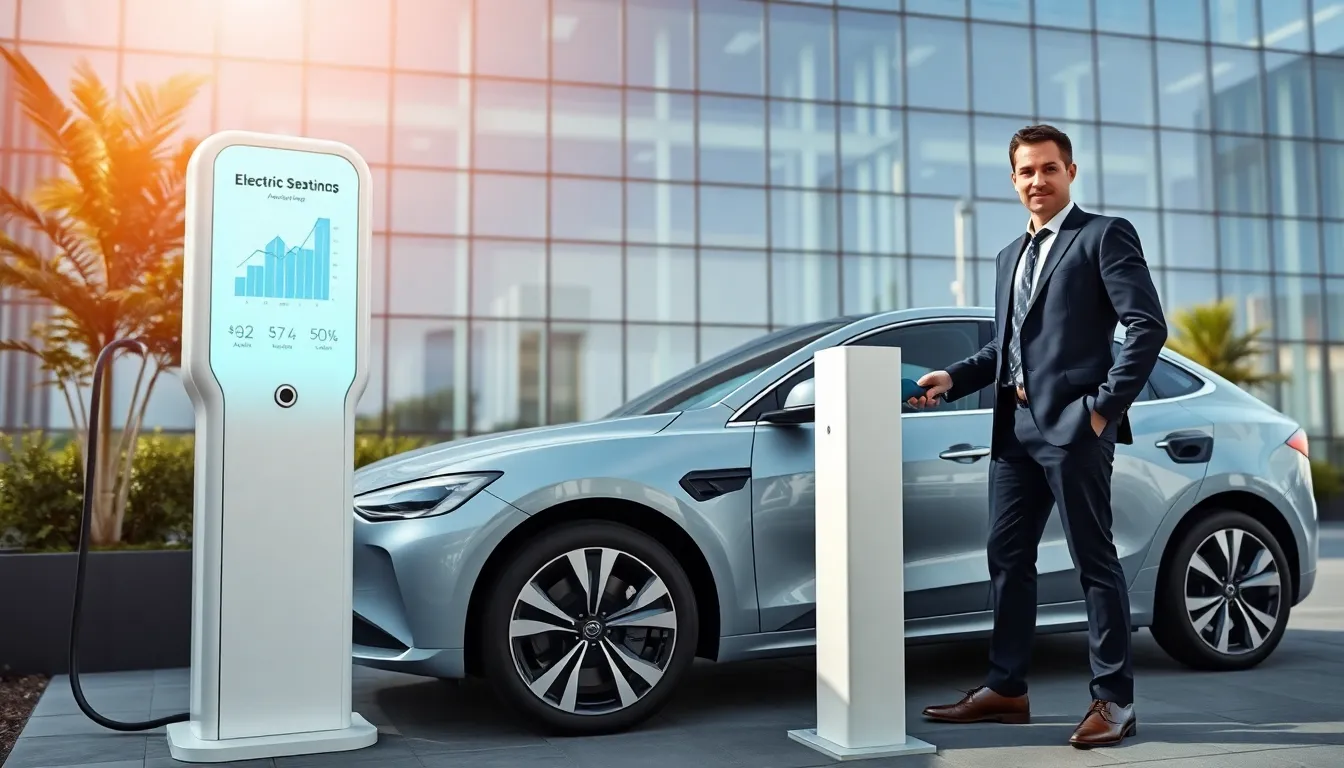
Charging an electric vehicle works similarly to charging a phone. Owners can plug in at home using a standard outlet, though this method is slow. Level 2 chargers, which require special installation, charge much faster. DC fast chargers at public stations can add significant range in 20 to 30 minutes.
Types of Electric Vehicles
Not all electric vehicles work the same way. The market offers several types, each with different features and capabilities.
Battery Electric Vehicles (BEVs)
Battery electric vehicles run entirely on electricity. They have no gasoline engine and produce zero tailpipe emissions. Popular examples include the Tesla Model 3, Chevrolet Bolt, and Nissan Leaf. These vehicles typically offer ranges between 150 and 350 miles on a single charge, depending on the model and driving conditions.
Plug-in Hybrid Electric Vehicles (PHEVs)
Plug-in hybrids combine an electric motor with a gasoline engine. They can drive short distances (usually 20 to 50 miles) on electricity alone. After the battery depletes, the gasoline engine takes over. This setup works well for people who want electric driving for commutes but need gasoline backup for longer trips.
Hybrid Electric Vehicles (HEVs)
Standard hybrids use both an electric motor and a gasoline engine, but they cannot be plugged in. The battery charges only through regenerative braking and the gasoline engine. These vehicles offer better fuel economy than traditional cars but don’t provide the same benefits as true electric vehicles.
Fuel Cell Electric Vehicles (FCEVs)
Fuel cell vehicles use hydrogen gas to generate electricity. They emit only water vapor. But, hydrogen fueling stations remain rare, and these vehicles cost more than other electric options. The Toyota Mirai and Hyundai Nexo are current examples on the market.
Benefits of Driving an Electric Vehicle
Electric vehicles offer several advantages that appeal to different types of drivers.
Lower Operating Costs
Electricity costs less than gasoline in most regions. Electric vehicle owners typically spend 50% to 70% less on “fuel” compared to gasoline car owners. Maintenance costs also drop because EVs have fewer moving parts. No oil changes, no transmission repairs, and brake pads last longer thanks to regenerative braking.
Environmental Impact
Electric vehicles produce no tailpipe emissions. Even when accounting for power plant emissions, EVs generally create less pollution than gasoline cars. As the electrical grid becomes cleaner with renewable energy, the environmental advantage of electric vehicles grows.
Performance
Many drivers are surprised by how fun electric vehicles are to drive. Instant torque means quick acceleration. The low center of gravity improves cornering. And the quiet cabin makes for a relaxing ride.
Tax Credits and Incentives
Federal and state governments offer incentives for electric vehicle purchases. Buyers may qualify for tax credits up to $7,500 in the United States. Some states add their own rebates and perks like HOV lane access or reduced registration fees.
Energy Independence
Electric vehicles reduce dependence on imported oil. Owners who install solar panels can power their cars with energy from their own rooftops. This level of independence appeals to many buyers.
Challenges and Considerations
Electric vehicles aren’t perfect for everyone. Potential buyers should understand the current limitations.
Range Anxiety
Range anxiety describes the fear of running out of charge before reaching a destination or charging station. While most electric vehicles now offer 200+ miles of range, this concern persists for some drivers. Long road trips require planning around charging locations.
Charging Time
Filling a gas tank takes five minutes. Charging an electric vehicle takes longer, sometimes much longer. Home charging overnight works well for daily use. But on road trips, even fast chargers require 20 to 45 minutes for a meaningful charge.
Upfront Cost
Electric vehicles often cost more to purchase than comparable gasoline cars. The price gap is shrinking as battery costs decline, but many budget-conscious buyers still find EVs expensive. Tax credits help offset this, though not all vehicles qualify.
Charging Infrastructure
Public charging networks have expanded rapidly, but gaps remain. Rural areas and some regions have fewer charging options. Apartment dwellers without home charging face extra challenges.
Cold Weather Performance
Batteries lose efficiency in cold temperatures. Electric vehicles can see range reductions of 20% to 40% in winter. Heating the cabin also draws power from the battery, further reducing range.
Battery Lifespan
Most EV batteries are designed to last 8 to 15 years, and manufacturers typically offer 8-year warranties. But, replacement costs remain high if batteries fail outside warranty periods.