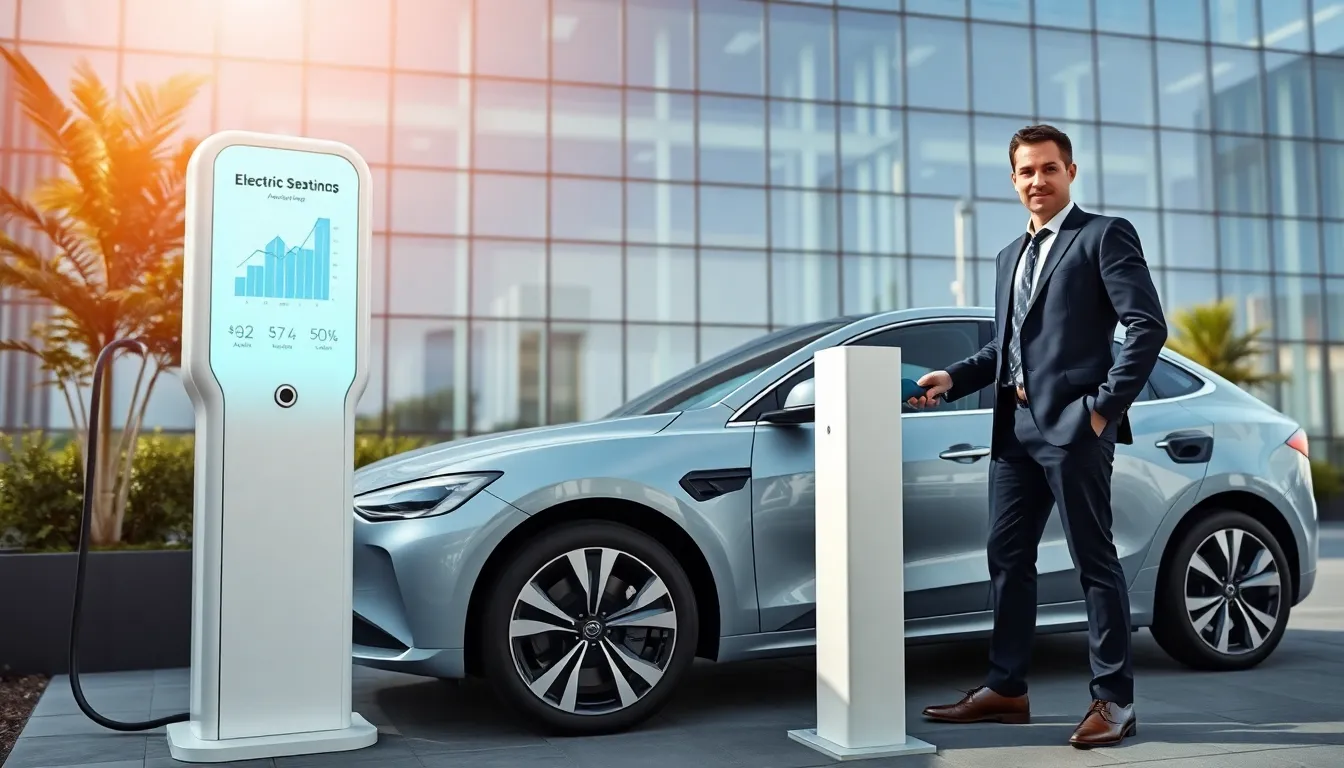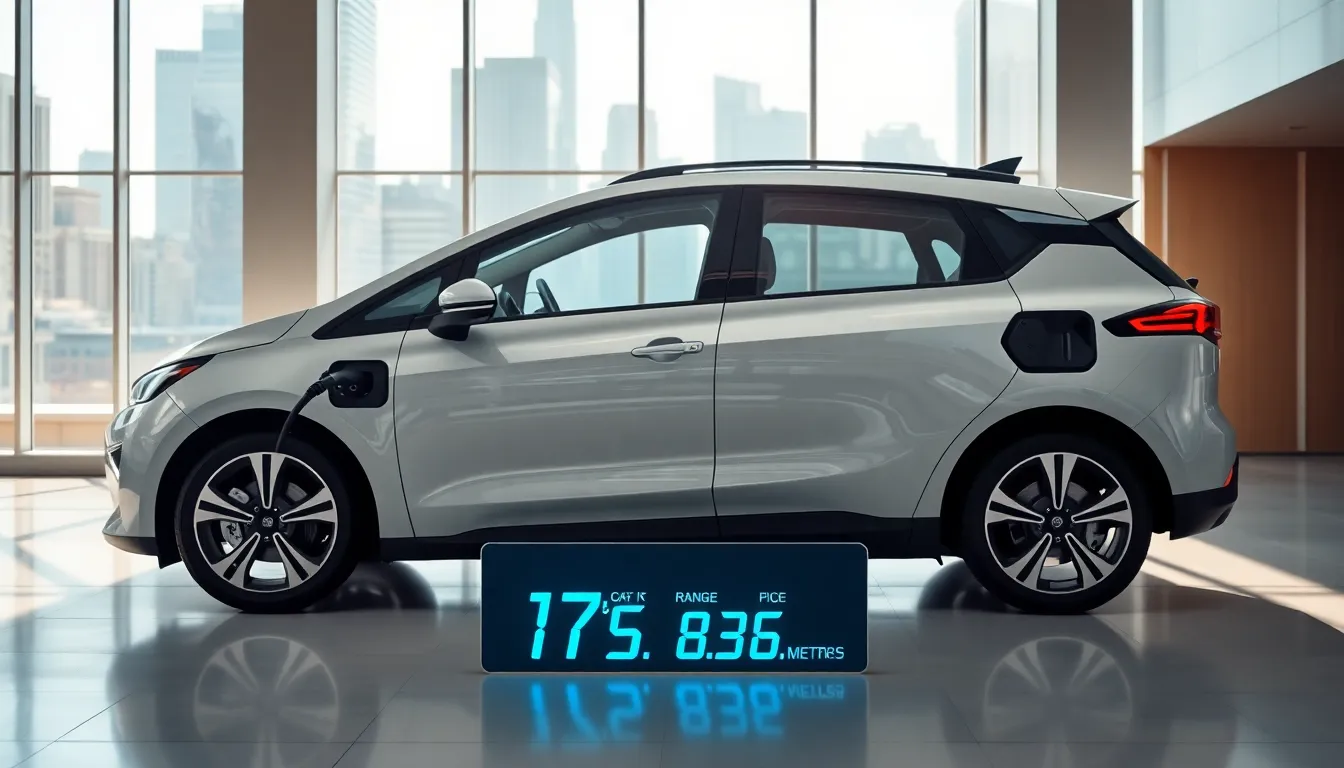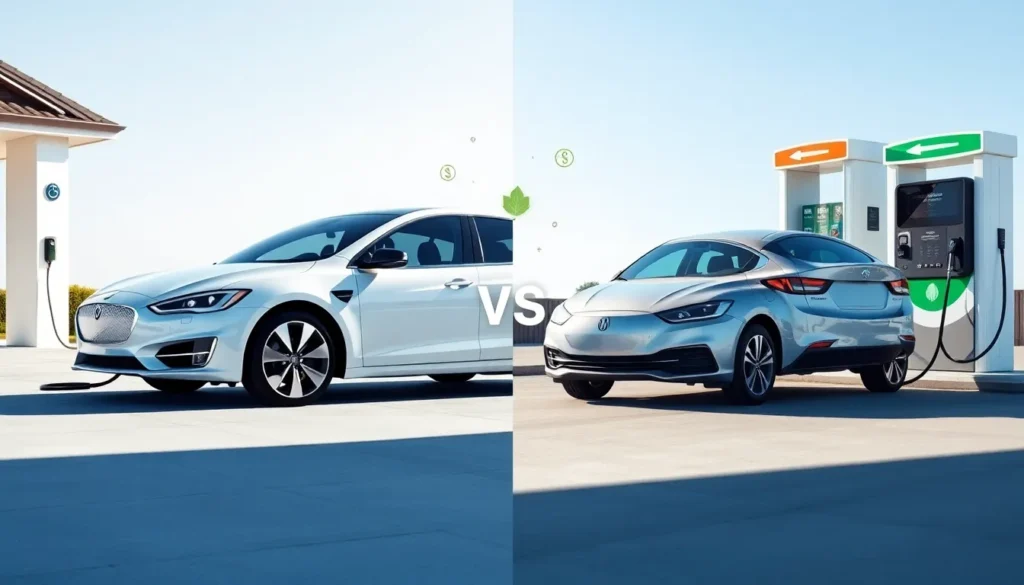
Electric vehicles vs gas cars, it’s a debate that shapes how millions of drivers choose their next ride. The decision affects your wallet, your daily commute, and the planet. Gas-powered cars have dominated roads for over a century. But electric vehicles now challenge that dominance with lower running costs and zero tailpipe emissions.
This comparison breaks down the key differences between electric vehicles and gas cars. You’ll find clear answers on cost, environmental impact, performance, charging infrastructure, and maintenance. Whether you’re buying your first car or replacing an old one, this guide helps you make an informed choice.
Table of Contents
ToggleKey Takeaways
- Electric vehicles cost roughly $0.04 per mile to operate compared to $0.12–$0.15 for gas cars, saving drivers about $1,000 annually on fuel.
- EVs produce zero tailpipe emissions and offset their higher manufacturing emissions within 6 to 18 months of driving.
- Electric vehicles deliver instant torque and faster acceleration, with many models outperforming gas-powered competitors.
- About 80% of EV charging happens at home, eliminating the need for frequent station visits.
- Maintenance costs average $330 per year for electric vehicles vs $600 for gas cars due to fewer moving parts.
- In the electric vehicles vs gas debate, EVs often win on total cost of ownership over 5–10 years despite higher upfront prices.
Cost of Ownership and Fuel Savings
The upfront price of electric vehicles typically runs higher than comparable gas cars. A mid-range EV might cost $5,000 to $15,000 more than its gasoline counterpart. But, this gap shrinks when you factor in federal tax credits, state incentives, and long-term savings.
Fuel costs tell a different story. Electric vehicles cost roughly $0.04 per mile to operate, while gas cars average $0.12 to $0.15 per mile. For a driver covering 12,000 miles annually, that’s a difference of around $1,000 per year. Over five years, fuel savings alone can offset much of the higher purchase price.
Electricity prices remain more stable than gasoline prices. Gas fluctuates with global oil markets, geopolitical events, and seasonal demand. EV owners enjoy more predictable monthly costs. Home charging during off-peak hours cuts expenses even further.
Insurance rates for electric vehicles tend to run 10-15% higher than gas cars. This reflects higher repair costs and specialized parts. Still, the total cost of ownership often favors electric vehicles over a five to ten-year period. Buyers should calculate their specific driving habits and local electricity rates to see the full picture.
Environmental Impact and Emissions
Electric vehicles produce zero tailpipe emissions. They don’t release carbon dioxide, nitrogen oxides, or particulate matter while driving. Gas cars emit an average of 4.6 metric tons of CO2 per year, according to EPA data.
The full environmental picture includes manufacturing and electricity generation. EV battery production requires mining lithium, cobalt, and nickel. This process creates emissions. But, studies show electric vehicles offset these manufacturing emissions within 6 to 18 months of driving, depending on the local power grid.
Grid composition matters significantly. An EV charged with renewable energy produces far fewer lifetime emissions than one charged with coal-generated electricity. The good news? Grids across the U.S. grow cleaner each year as solar and wind capacity expands.
Gas cars will always burn fossil fuels. Electric vehicles get cleaner over time as the grid improves. This makes the environmental case for EVs stronger with each passing year.
Battery recycling programs continue to develop. Major automakers now recover over 95% of battery materials for reuse. This reduces the environmental footprint of electric vehicles even further.
Performance and Driving Experience
Electric vehicles deliver instant torque. Press the accelerator, and power flows immediately to the wheels. Gas engines need to build RPM before reaching peak power. This gives EVs a distinct advantage in acceleration.
A Tesla Model 3 hits 60 mph in about 3.1 seconds. Comparable gas sedans take 5 to 7 seconds. Even affordable electric vehicles like the Chevrolet Bolt accelerate faster than many gas-powered competitors.
The driving experience differs in other ways too. Electric vehicles run quietly. There’s no engine noise, no vibration at idle, no exhaust rumble. Some drivers love this silence. Others miss the traditional engine sound.
Handling benefits from battery placement. Most EVs position heavy battery packs along the floor. This lowers the center of gravity and improves stability through corners. Many electric vehicles feel planted and responsive.
Gas cars offer their own advantages. They typically provide longer range between fill-ups. A gas tank takes minutes to refill. And some enthusiasts prefer the engagement of a traditional engine and transmission. The electric vehicles vs gas debate often comes down to personal preference on these finer points.
Charging Infrastructure vs Gas Stations
The United States has over 150,000 gas stations. Electric vehicle charging stations number around 64,000 public locations with 180,000 individual ports. The gap exists, but it’s closing fast.
Home charging changes the equation entirely. About 80% of EV charging happens at home. Drivers plug in overnight and wake up to a full battery. This convenience eliminates most trips to any station at all.
Public charging networks expand rapidly. Tesla’s Supercharger network covers major highways. Electrify America, ChargePoint, and EVgo add thousands of stations yearly. Most new EVs can add 200 miles of range in 20-30 minutes at fast chargers.
Rural areas and long road trips present real challenges. Charging infrastructure remains sparse in some regions. Planning longer routes still requires checking charger locations. Gas stations remain more universally available.
Workplace charging grows as employers install stations. Apartment complexes increasingly offer charging amenities. These trends make electric vehicles practical for more drivers each year. The infrastructure question improves steadily, though gas stations still win on pure availability.
Maintenance and Long-Term Reliability
Electric vehicles have fewer moving parts than gas cars. An EV drivetrain contains about 20 moving components. A gas engine has around 2,000. Fewer parts mean fewer things can break.
EVs don’t need oil changes, transmission fluid, spark plugs, or timing belts. Brake pads last longer thanks to regenerative braking. Annual maintenance costs average $330 for electric vehicles versus $600 for gas cars, according to AAA data.
Battery longevity concerns many potential buyers. Modern EV batteries retain 80-90% capacity after 200,000 miles. Most manufacturers offer 8-year, 100,000-mile battery warranties. Real-world data shows batteries outlasting initial expectations.
Gas cars have proven reliability over decades of development. Repair shops everywhere can service them. Parts availability remains excellent. Some gas vehicles run well past 200,000 miles with proper maintenance.
Electric vehicles require specialized service for battery and high-voltage systems. Not every mechanic can work on them yet. This limits repair options in some areas. But, the overall maintenance burden favors electric vehicles for most owners.