Electric vehicle tips can make the difference between a frustrating ownership experience and a seamless one. Whether someone just drove their first EV off the lot or has been driving electric for years, there’s always something new to learn. The technology evolves quickly, and best practices shift alongside it.
This guide covers the fundamentals every EV owner should know. From battery management to long-distance travel planning, these practical insights help drivers get more range, extend battery life, and avoid common mistakes. Let’s get into it.
Table of Contents
ToggleKey Takeaways
- Keep your EV battery between 20-80% for daily use and only charge to 100% before long trips to extend battery life.
- Driving speed significantly impacts range—slowing from 75 mph to 55 mph can add up to 100 miles of range.
- Use Level 2 home charging when possible, as it’s gentler on your battery than frequent DC fast charging.
- Master regenerative braking by anticipating stops and coasting to recover energy and maximize efficiency.
- Plan road trips using EV-specific apps like A Better Route Planner and schedule charging stops during meals to save time.
- Precondition your cabin while plugged in during winter to preserve battery range and stay comfortable.
Understanding Your EV’s Battery and Range
The battery is the heart of any electric vehicle. Understanding how it works gives owners a significant advantage.
Most modern EVs use lithium-ion batteries, which store energy in cells grouped into modules. These batteries have a usable capacity, the portion drivers can actually access, and a total capacity. Manufacturers typically reserve a buffer at the top and bottom to protect battery health.
Range depends on several factors beyond battery size. Temperature plays a major role. Cold weather can reduce range by 20-40% because the battery needs energy to warm itself, and cabin heating draws significant power. Hot weather affects range too, though usually less dramatically.
Driving speed matters more than many owners realize. An EV might achieve 300 miles of range at 55 mph but only 200 miles at 75 mph. Air resistance increases exponentially with speed, so slowing down even slightly can add meaningful miles.
Terrain, cargo weight, and tire pressure also influence range. Hilly routes consume more energy than flat ones, though regenerative braking recovers some energy on descents. Underinflated tires create more rolling resistance, which drains the battery faster.
One of the best electric vehicle tips for new owners: spend time with the car’s range estimator. Learn how it calculates remaining miles and what makes it fluctuate. This knowledge reduces range anxiety and builds confidence.
Smart Charging Practices to Maximize Battery Life
How an owner charges their EV affects long-term battery health. A few simple habits can extend battery life by years.
First, avoid keeping the battery at 100% for extended periods. Lithium-ion batteries experience more stress when fully charged. Most manufacturers recommend setting a daily charge limit between 80-90% and only charging to 100% before long trips.
Similarly, letting the battery drop extremely low regularly isn’t ideal. Keeping the state of charge between 20-80% for daily use puts less strain on the cells.
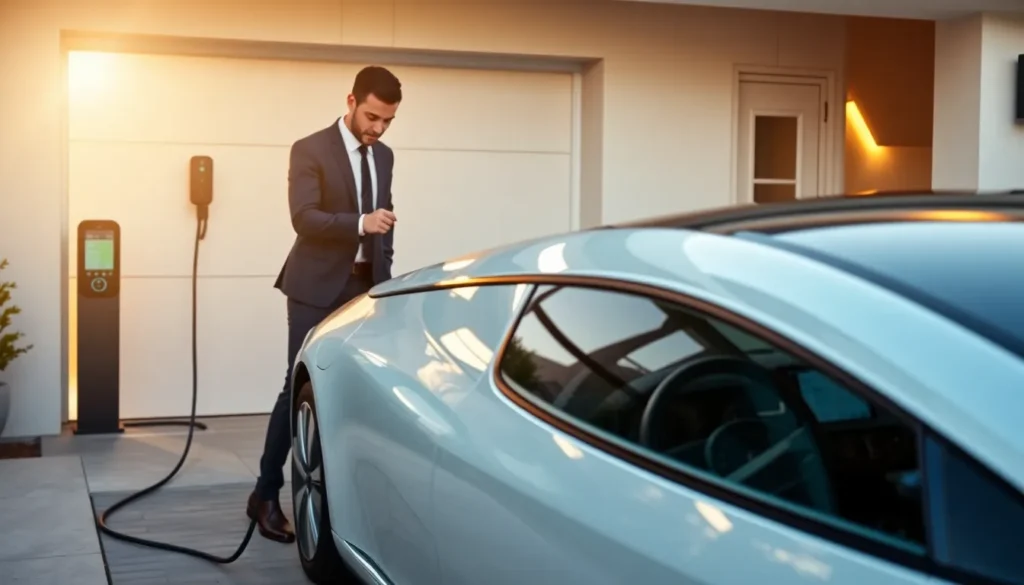
Level 2 home charging (240V) is gentler on the battery than DC fast charging. Fast chargers push a lot of energy into the battery quickly, generating heat. Occasional fast charging is fine, that’s what it’s designed for, but relying on it exclusively can accelerate degradation.
Time-of-use electricity rates offer a financial benefit for smart charging. Many utilities charge less during off-peak hours, typically late night through early morning. Programming the car to charge during these windows saves money.
Preconditioning the battery before fast charging improves charging speeds and reduces stress. Many EVs can warm or cool the battery automatically when a fast charger is selected as a destination. This electric vehicle tip alone can cut charging time significantly on road trips.
Driving Techniques for Better Efficiency
Driving style has a huge impact on EV efficiency. Small adjustments yield noticeable range improvements.
Regeneration is an EV’s secret weapon. When drivers lift off the accelerator, the motor runs in reverse, slowing the car and converting kinetic energy back into battery charge. Learning to anticipate stops and coast into them captures more energy than hard braking.
Many EVs offer adjustable regeneration levels. Stronger settings provide one-pedal driving capability, where the car slows significantly without touching the brake. Lighter settings feel more like a conventional car. Experiment to find what works best for different situations.
Smooth acceleration beats aggressive driving every time. Jackrabbit starts are fun but expensive in terms of range. Gradual acceleration uses energy more efficiently.
Highway driving deserves extra attention. Using cruise control maintains steady speeds and prevents unconscious speed creep. Drafting behind larger vehicles (at a safe distance) reduces air resistance. And again, speed kills range. Every 10 mph above 55 costs efficiency.
Climate control is the biggest auxiliary energy draw. Using seat heaters instead of cabin heating in winter consumes far less power. In summer, parking in shade and using ventilation before cranking the AC helps. These electric vehicle tips might seem minor, but they add up over thousands of miles.
Seasonal Maintenance and Care
EVs require less maintenance than gas cars, no oil changes, fewer brake replacements, simpler drivetrains. But they still need regular attention.
Tires wear differently on EVs. The instant torque that makes electric driving fun also wears tires faster, especially on heavier vehicles. Rotating tires every 5,000-7,500 miles promotes even wear. Many EV owners find they replace tires more frequently than expected.
Brake maintenance is actually reduced on EVs because regenerative braking handles most slowing. But, this means brake pads can sit unused for long periods, potentially causing corrosion. Occasional firm braking cleans the rotors.
Cabin air filters still need replacement. Some EVs have HEPA filters that require more frequent changes than standard filters.
Winter preparation includes checking tire condition and considering winter tires in cold climates. Preconditioning the cabin while plugged in warms the interior using grid power instead of battery power, preserving range.
Summer care focuses on battery thermal management. Parking in shade when possible and avoiding full charges in extreme heat reduces battery stress. Most EVs have active cooling systems, but helping them out extends battery life.
Keeping software updated is part of EV maintenance too. Manufacturers regularly release updates that improve efficiency, fix bugs, and add features.
Planning for Long-Distance Travel
Road trips in an EV require more planning than gas vehicles, but they’re absolutely doable with the right approach.
Charging networks have expanded dramatically. In the US, Tesla’s Supercharger network is the most extensive, and it’s now open to other brands at many locations. Electrify America, ChargePoint, and EVgo offer additional coverage. Apps like PlugShare show charger locations, real-time availability, and user reviews.
Route planning apps designed for EVs calculate optimal charging stops based on current charge level, destination, and charger locations. A Better Route Planner (ABRP) is popular among EV owners for its accuracy and detailed settings.
Charging during meals makes road trips feel less disruptive. A 30-40 minute fast charge while eating lunch adds significant range without wasting time. Planning stops at locations with amenities, restaurants, shops, rest areas, turns charging into a break rather than a chore.
Buffer range matters on long trips. Don’t plan to arrive at chargers with 5% battery. Traffic, detours, or a broken charger can turn that into a stressful situation. Arriving with 15-20% provides flexibility.
Some electric vehicle tips for first-timers on long trips: charge to 100% before leaving, know your car’s real-world highway range (not the optimistic estimate), and have backup charger options identified along the route. Preparation eliminates anxiety.