Electric vehicles are changing the way people think about transportation. Sales have surged in recent years, and automakers now offer more options than ever. But for beginners, the switch from gas to electric can feel like a big step.
This guide breaks down everything new buyers need to know. It covers how electric vehicles work, the types available, key benefits, and practical charging details. By the end, readers will have the knowledge they need to decide if an electric vehicle fits their lifestyle.
Table of Contents
ToggleKey Takeaways
- Electric vehicles for beginners are easier to understand once you know the three main types: Battery Electric (BEVs), Plug-In Hybrids (PHEVs), and Hybrid Electric Vehicles (HEVs).
- Switching to an electric vehicle can save you $1,000 or more annually on fuel costs, plus significant savings on maintenance over time.
- Most electric vehicle owners charge at home using a Level 2 charger, which adds 15-30 miles of range per hour and costs $500-2,000 to install.
- Before buying an electric vehicle, assess your daily driving range, home charging access, and total cost of ownership including tax credits.
- Electric vehicles offer instant torque, a quieter ride, and zero direct emissions—making them both fun to drive and environmentally friendly.
- Cold weather can reduce battery range by 20-40%, so drivers in colder climates should plan accordingly when choosing an electric vehicle.
How Electric Vehicles Work
Electric vehicles operate differently than traditional gas-powered cars. Instead of an internal combustion engine, they use an electric motor powered by a large battery pack.
Here’s the basic process:
- Battery stores energy – The lithium-ion battery pack holds electrical energy, much like a giant version of a phone battery.
- Motor converts energy to motion – When the driver presses the accelerator, the motor draws power from the battery and turns the wheels.
- Regenerative braking recaptures energy – When braking, the motor works in reverse, converting motion back into electricity and sending it to the battery.
This system is simpler than a gas engine. Electric vehicles have fewer moving parts, no pistons, no transmission in the traditional sense, no exhaust system. That means less can go wrong mechanically.
The battery is the heart of any electric vehicle. Most modern electric vehicles use lithium-ion batteries because they offer high energy density and long life. These batteries typically last 10-20 years before needing replacement, though performance may decline over time.
Types of Electric Vehicles Available
Not all electric vehicles are the same. Buyers will encounter three main categories:
Battery Electric Vehicles (BEVs)
BEVs run entirely on electricity. They have no gas engine and produce zero tailpipe emissions. Popular examples include the Tesla Model 3, Chevrolet Bolt, and Nissan Leaf.
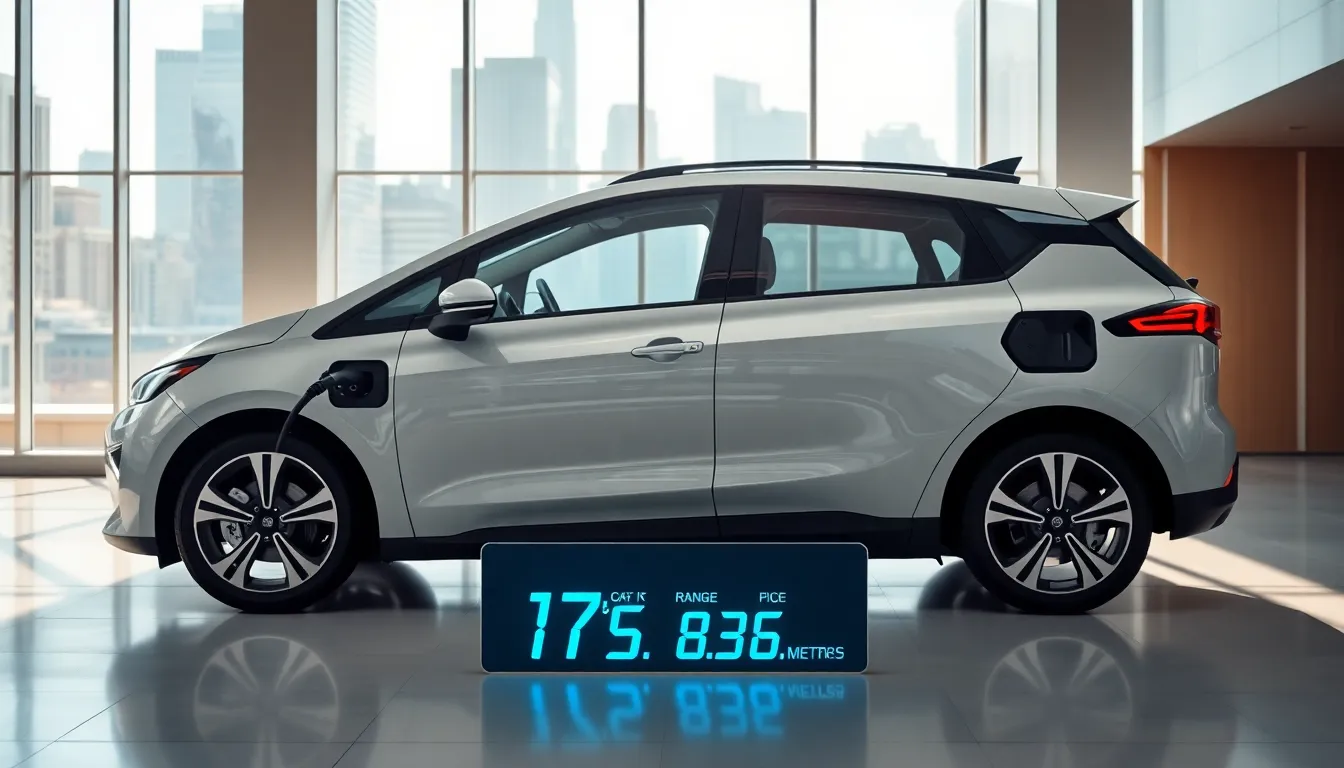
These vehicles typically offer 200-300+ miles of range per charge. They’re ideal for drivers who can charge at home and don’t regularly take very long trips.
Plug-In Hybrid Electric Vehicles (PHEVs)
PHEVs combine a battery with a gas engine. They can travel 20-50 miles on electric power alone. After that, the gas engine takes over.
This setup works well for drivers who want electric capability but worry about range. The Toyota Prius Prime and Ford Escape PHEV fall into this category.
Hybrid Electric Vehicles (HEVs)
HEVs use both a gas engine and a small electric motor, but they can’t be plugged in. The battery charges only through regenerative braking and the engine.
While HEVs improve fuel efficiency, they still rely primarily on gasoline. They’re a stepping stone rather than a full electric vehicle experience.
Benefits of Driving Electric
Why are so many drivers switching to electric vehicles? The benefits extend beyond environmental concerns.
Lower fuel costs – Electricity costs less than gasoline per mile in most areas. Drivers can save $1,000 or more annually on fuel, depending on driving habits and local electricity rates.
Reduced maintenance – Electric vehicles don’t need oil changes, spark plugs, or timing belt replacements. Brake pads last longer too, thanks to regenerative braking. Over the vehicle’s lifetime, maintenance savings add up significantly.
Environmental impact – Electric vehicles produce zero direct emissions. Even when accounting for power plant emissions, they typically have a smaller carbon footprint than gas cars.
Performance advantages – Electric motors deliver instant torque. This means quick acceleration from a stop, something many electric vehicle drivers genuinely enjoy.
Tax incentives – The federal government and many states offer tax credits for electric vehicle purchases. These incentives can reduce the effective purchase price by thousands of dollars.
Quieter ride – Without an engine rumbling, electric vehicles run nearly silent. Many drivers find this makes for a more relaxed driving experience.
Charging Basics and Infrastructure
Charging is the biggest adjustment for new electric vehicle owners. Understanding the options makes the transition smoother.
Charging Levels Explained
Level 1 (120V) – Uses a standard household outlet. Adds 3-5 miles of range per hour. Best for overnight charging when daily driving is minimal.
Level 2 (240V) – Requires a dedicated outlet (like a dryer plug) or installed charging station. Adds 15-30 miles per hour. Most home chargers and public stations use Level 2.
Level 3 / DC Fast Charging – Found at public stations along highways. Can charge most electric vehicles to 80% in 20-45 minutes. Useful for road trips but not recommended for daily use.
Home Charging Setup
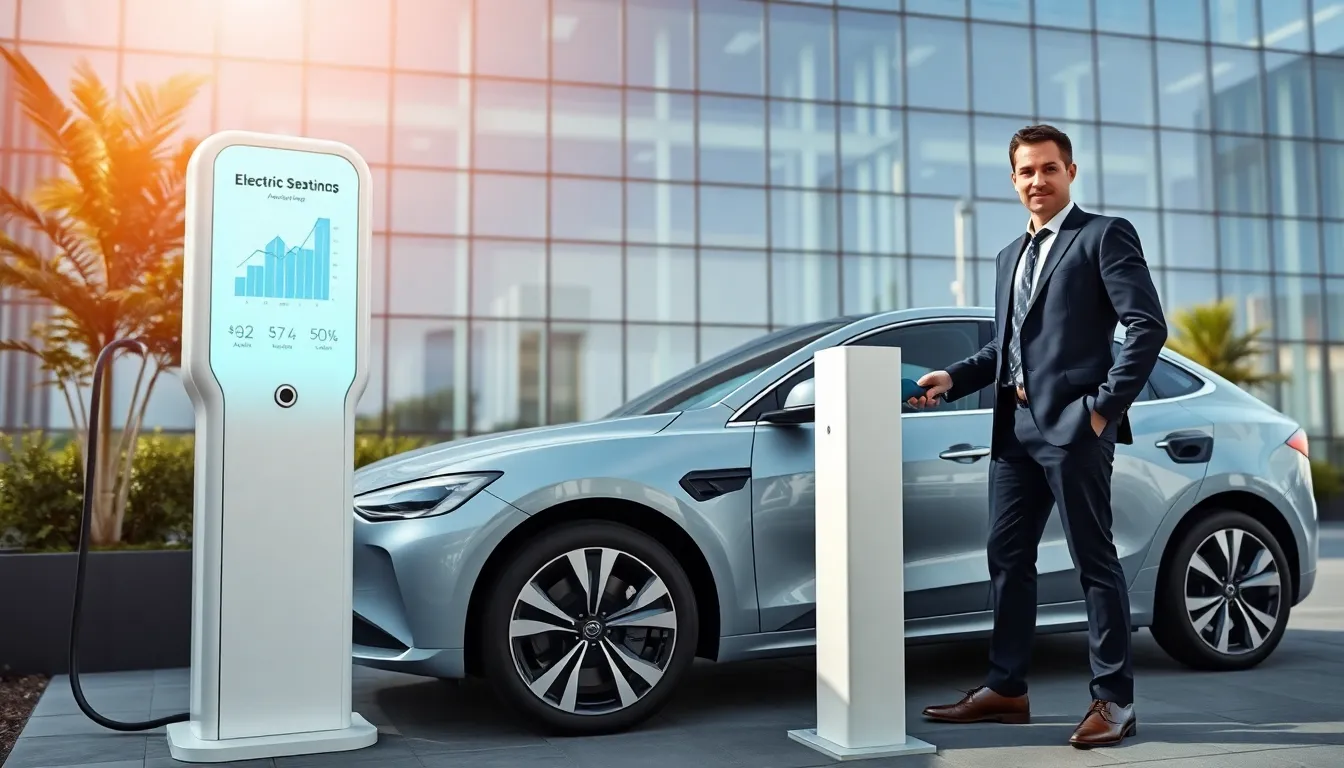
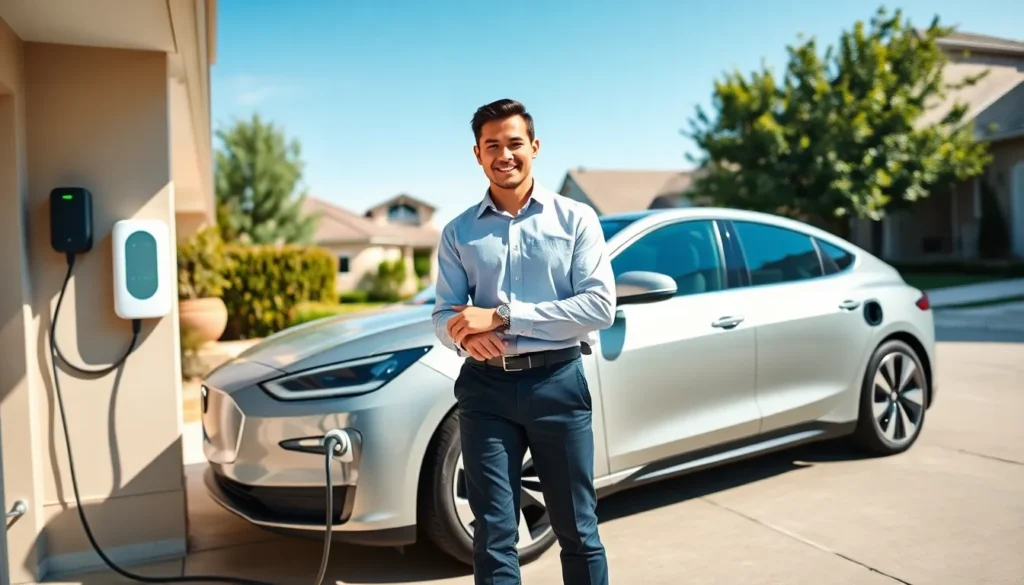
Most electric vehicle owners charge at home. Installing a Level 2 charger costs $500-2,000, including the unit and installation. Many drivers find this convenient, they plug in at night and wake up to a full battery.
Public Charging Networks
Networks like Tesla Supercharger, Electrify America, ChargePoint, and EVgo operate thousands of stations across the U.S. Apps help drivers locate nearby chargers and check availability.
The charging network continues to expand rapidly. Still, buyers should consider their local infrastructure before purchasing an electric vehicle.
Key Considerations Before Buying
Electric vehicles aren’t perfect for everyone, at least not yet. Before buying, potential owners should think through several factors.
Range needs – How far do they drive daily? Most electric vehicles handle typical commutes easily. But drivers who regularly travel 200+ miles in a day may need careful planning or a vehicle with extended range.
Charging access – Can they install a home charger? Apartment dwellers and those without dedicated parking may face challenges. Public charging works, but it’s less convenient than plugging in at home.
Upfront cost – Electric vehicles often cost more than comparable gas cars. But, tax credits and lower operating costs can offset this over time. Buyers should calculate total cost of ownership, not just sticker price.
Cold weather performance – Batteries lose efficiency in extreme cold. Range can drop 20-40% in winter conditions. Drivers in cold climates should factor this into their range calculations.
Used vs. new – Used electric vehicles offer lower prices, but buyers should check battery health. Degradation varies by model and usage patterns.
Insurance rates – Some insurers charge more for electric vehicles due to higher repair costs. Getting quotes before purchase is smart.