Electric vehicles are reshaping how people travel, commute, and think about transportation. Sales have surged past 14 million units globally in 2023, and automakers are racing to electrify their lineups. But what makes EVs tick? Are they really better for the wallet and the planet? This guide breaks down everything drivers need to know about electric vehicles, from the technology under the hood to charging options, ownership costs, and what the road ahead looks like. Whether someone is considering their first EV or simply curious about the shift away from gasoline, this article delivers the essential facts.
Table of Contents
ToggleKey Takeaways
- Electric vehicles use battery-powered motors with regenerative braking, resulting in fewer moving parts and significantly lower maintenance costs than gas cars.
- EV owners save on fuel—electricity costs less per mile than gasoline, and charging at home during off-peak hours can cut costs by 50% or more.
- Most modern electric vehicles offer 200–300 miles of range, with premium models exceeding 400 miles, covering the vast majority of daily driving needs.
- Federal tax credits up to $7,500 and state incentives make electric vehicles more affordable, helping offset higher upfront costs.
- Charging infrastructure is expanding rapidly, with over 60,000 U.S. public stations and three charging levels to fit different needs.
- Industry experts predict electric vehicles will reach price parity with gas cars by 2026–2027 and account for over 50% of global new car sales by 2035.
How Electric Vehicles Work
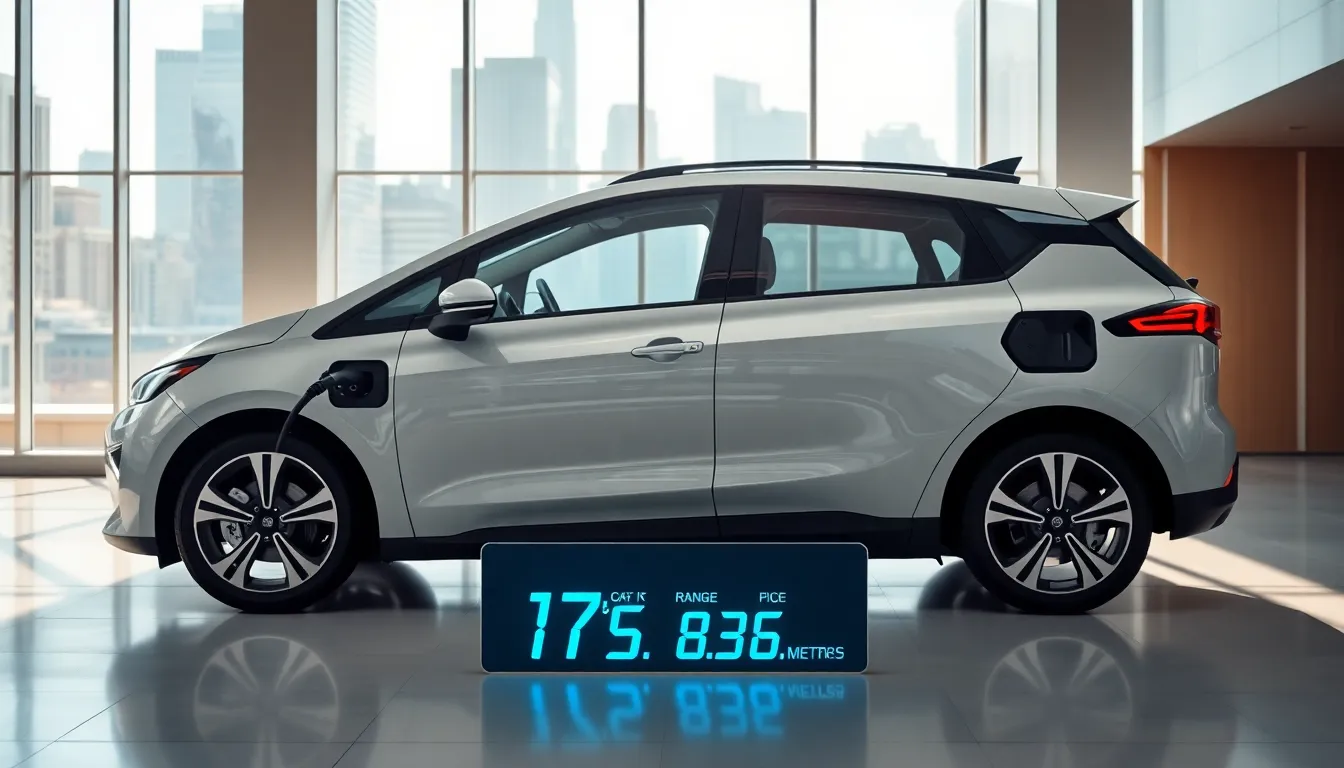
Electric vehicles operate differently than traditional gas-powered cars. Instead of an internal combustion engine, EVs use one or more electric motors powered by a large battery pack. This setup eliminates the need for fuel injection, spark plugs, and exhaust systems.
The battery stores electrical energy, typically in lithium-ion cells. When the driver presses the accelerator, the battery sends power to the motor, which turns the wheels. It’s a simple chain: battery to motor to motion.
One key feature of electric vehicles is regenerative braking. When the driver slows down, the motor reverses its role and acts as a generator. It captures kinetic energy and sends it back to the battery. This process extends driving range and reduces brake wear.
EVs also come with power electronics that manage energy flow between the battery, motor, and charging port. An onboard charger converts AC power from a wall outlet or public station into DC power the battery can store.
Compared to gas cars, electric vehicles have fewer moving parts. There’s no transmission in most models, no oil changes, and no timing belts. This mechanical simplicity often translates to lower maintenance costs over time.
Benefits of Driving an Electric Vehicle
Electric vehicles offer several advantages over their gasoline counterparts. The most obvious is environmental impact. EVs produce zero tailpipe emissions, which means cleaner air in cities and neighborhoods. Even when accounting for electricity generation, studies show electric vehicles generate fewer greenhouse gases than conventional cars.
Fuel savings add up quickly. Electricity costs less than gasoline per mile in most regions. Drivers who charge at home during off-peak hours can cut their “fuel” bills by 50% or more compared to filling up at the pump.
Maintenance is another win for EV owners. Without oil changes, transmission repairs, or exhaust system work, service costs drop significantly. Brake pads last longer too, thanks to regenerative braking.
Performance surprises many first-time EV drivers. Electric motors deliver instant torque, which means quick acceleration from a standstill. Many electric vehicles outpace sports cars in 0-60 mph tests.
Tax incentives sweeten the deal. In the United States, federal tax credits up to $7,500 are available for qualifying electric vehicles. Many states offer additional rebates, carpool lane access, and reduced registration fees.
Finally, electric vehicles run quieter than gas cars. The absence of engine noise creates a more peaceful driving experience, especially appreciated during long commutes.
Challenges and Considerations for EV Owners
Electric vehicles aren’t perfect for everyone. Prospective buyers should weigh a few challenges before making the switch.
Upfront cost remains a hurdle. While prices have dropped, many electric vehicles still carry higher sticker prices than comparable gas models. A base Tesla Model 3 starts around $40,000, while a Honda Civic costs closer to $25,000. But, lower operating costs can offset this gap over time.
Range anxiety is real for some drivers. Most modern EVs travel 200-300 miles on a full charge, which covers daily driving needs. But long road trips require planning around charging stops. Drivers who frequently travel between cities may find this inconvenient.
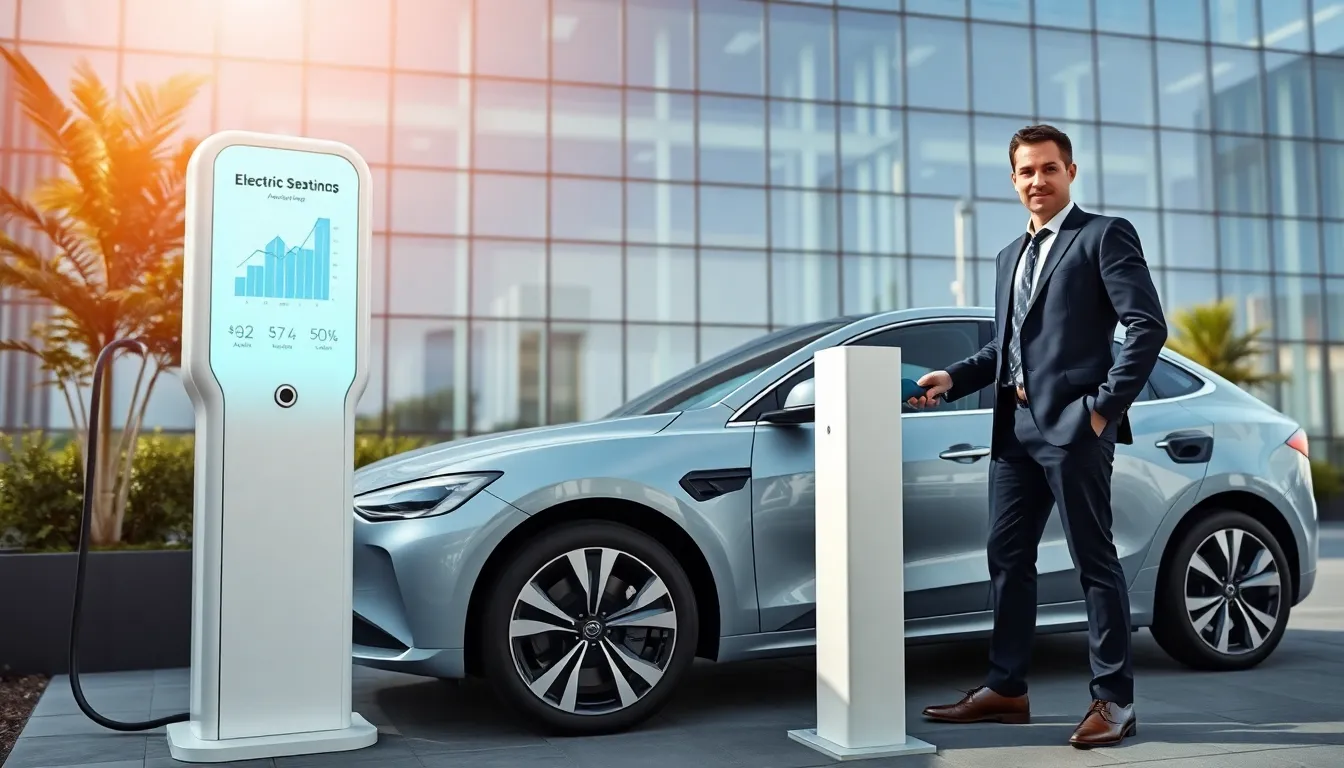
Charging time differs from filling a gas tank. A fast charger can add 100+ miles in 20-30 minutes, but home charging on a standard outlet might take overnight. Installing a Level 2 charger at home costs $500-$2,000 including installation.
Battery degradation is a long-term consideration. EV batteries lose capacity over years of use, typically 2-3% per year. Most manufacturers warranty batteries for 8 years or 100,000 miles, but replacement costs can reach $5,000-$15,000 if needed outside warranty.
Cold weather affects electric vehicles more than gas cars. Batteries lose efficiency in low temperatures, reducing range by 20-40% in extreme cold. Cabin heating also draws significant power from the battery.
Charging Infrastructure and Range
Charging infrastructure has expanded rapidly to support growing electric vehicle adoption. The U.S. now has over 60,000 public charging stations with more than 180,000 individual ports. This network continues to grow as governments and private companies invest billions in new installations.
Three levels of charging exist:
- Level 1: Standard 120V household outlet. Adds 3-5 miles of range per hour. Best for overnight charging with short daily commutes.
- Level 2: 240V outlet (like a dryer plug). Adds 15-30 miles per hour. Most home and workplace chargers use this level.
- Level 3 (DC Fast Charging): High-powered stations that add 100-200+ miles in 20-40 minutes. Found at highway rest stops and dedicated charging hubs.
Most EV owners charge at home 80% of the time. They plug in overnight and wake up to a full battery. This routine eliminates gas station trips entirely for many drivers.
Range varies widely among electric vehicles. Entry-level models like the Nissan Leaf offer around 150 miles per charge. Mid-range options like the Chevrolet Equinox EV deliver 300+ miles. Premium electric vehicles from Tesla, Lucid, and Mercedes push past 400 miles.
Charging networks like Tesla Supercharger, Electrify America, and ChargePoint cover major highways and urban areas. Apps help drivers locate stations, check availability, and plan routes around charging stops.
The Future of Electric Vehicles
Electric vehicles are poised to dominate the automotive market within the next decade. Industry analysts predict EVs will account for over 50% of new car sales globally by 2035. Several factors drive this projection.
Battery technology keeps improving. Solid-state batteries promise higher energy density, faster charging, and longer lifespans. Companies like Toyota and QuantumScape expect commercial production by 2027-2028. These advancements could push electric vehicle ranges past 500 miles while cutting charging times significantly.
Prices will continue falling. Battery costs have dropped 90% since 2010, and this trend shows no signs of stopping. By 2026-2027, many analysts expect price parity between electric vehicles and gas cars, without subsidies.
Governments worldwide are accelerating the transition. The European Union plans to ban new gas car sales by 2035. California follows a similar timeline. China, the world’s largest auto market, already sells more EVs than gas vehicles.
Charging infrastructure will mature. The U.S. federal government has allocated $7.5 billion for EV charging stations through the Infrastructure Investment and Jobs Act. Private investment adds billions more annually.
Automakers are going all-in on electrification. General Motors aims to sell only electric vehicles by 2035. Ford, Volkswagen, and Hyundai have committed tens of billions to EV development. Even luxury brands like Bentley and Rolls-Royce plan full-electric lineups.
Autonomous driving technology pairs naturally with electric vehicles. The simpler drivetrain and sophisticated electronics make EVs ideal platforms for self-driving systems.