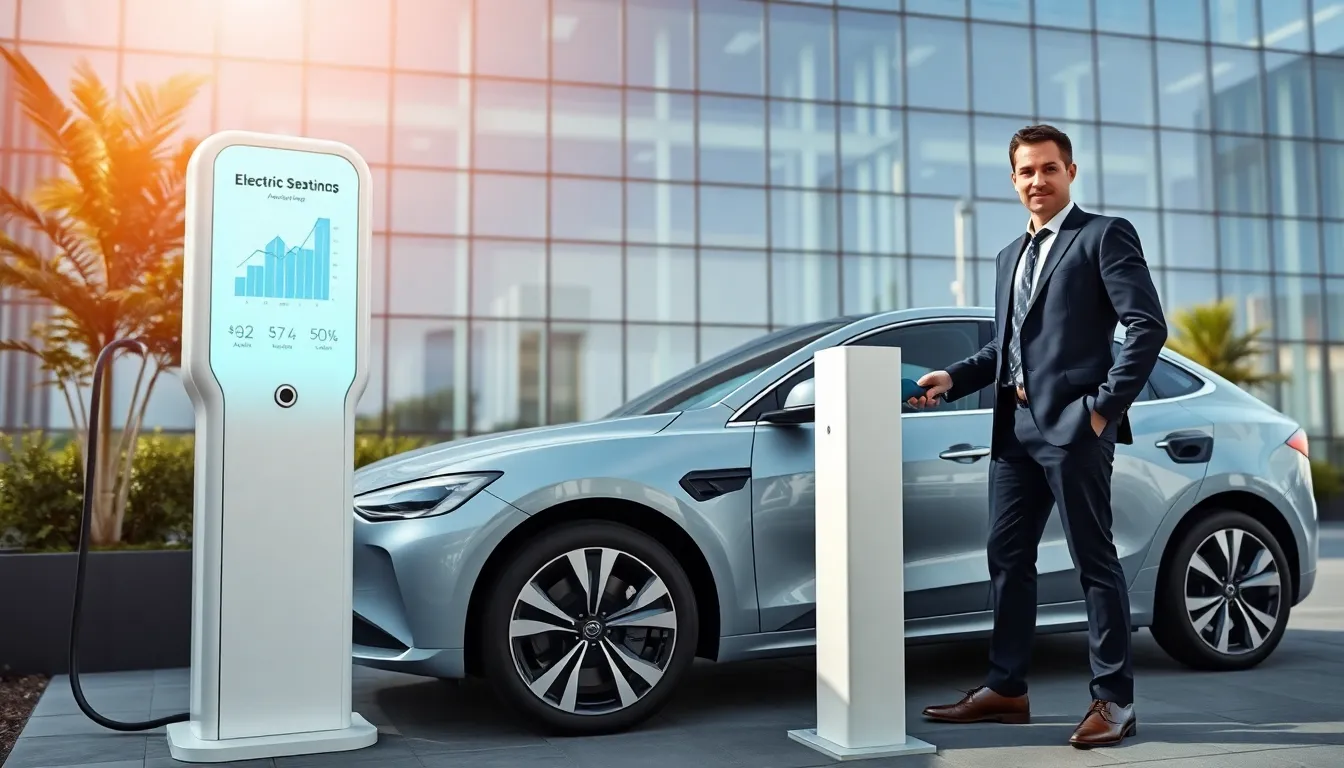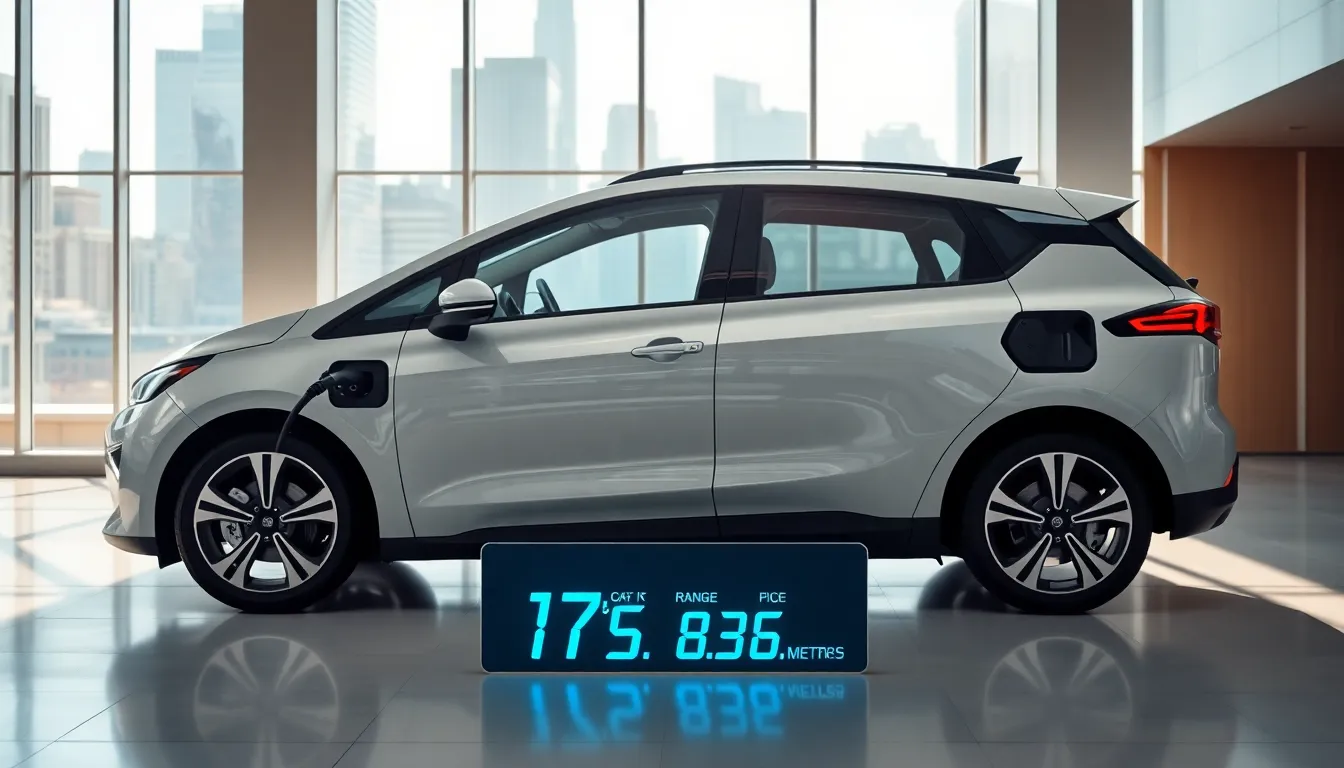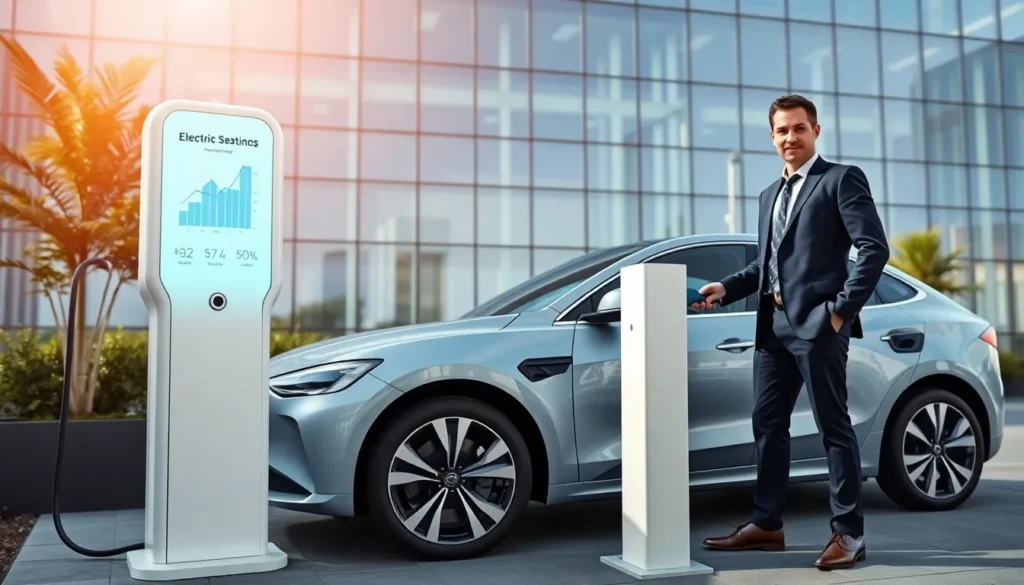
Electric vehicles strategies have become essential for individuals, businesses, and governments aiming to reduce emissions and cut fuel costs. The global shift toward EVs is accelerating faster than most predicted. In 2024, electric vehicle sales surpassed 17 million units worldwide, representing nearly 20% of all new car purchases.
This guide breaks down practical strategies for EV adoption and implementation. It covers the current market, key adoption approaches, common ownership barriers, and infrastructure development. Whether someone is considering their first EV purchase or a fleet manager is planning a transition, these strategies offer a clear path forward.
Table of Contents
ToggleKey Takeaways
- Electric vehicles strategies should start with assessing daily driving habits—most Americans drive under 40 miles per day, well within any modern EV’s range.
- EV owners typically save $1,000 to $2,000 annually on fuel and maintenance due to lower electricity costs and fewer moving parts.
- Stacking federal, state, and local incentives can reduce EV purchase costs by $10,000 or more, making electric vehicles strategies more affordable.
- Home Level 2 charging offers the most convenient option, adding 25–30 miles of range per hour and costing $500–$1,500 to install.
- Businesses should phase in EVs gradually, starting with vehicles on predictable routes like delivery vans and service vehicles.
- The U.S. aims to install 500,000 public chargers by 2030, supported by $7.5 billion in federal infrastructure funding.
Understanding the Current EV Landscape
The electric vehicle market has matured significantly over the past five years. Major automakers now offer dozens of EV models across sedans, SUVs, trucks, and commercial vehicles. Tesla remains a dominant player, but legacy manufacturers like Ford, GM, Volkswagen, and Hyundai have closed the gap with competitive offerings.
Battery technology continues to improve. Modern EVs routinely deliver 250 to 350 miles of range on a single charge. Some models exceed 400 miles. Battery costs have dropped by roughly 80% since 2013, making electric vehicles strategies more financially viable for average consumers.
Government incentives play a major role in adoption. The U.S. federal tax credit offers up to $7,500 for qualifying new EVs. Many states add their own rebates and perks, including HOV lane access and reduced registration fees. These programs make electric vehicles strategies more attractive to cost-conscious buyers.
Charging infrastructure has expanded rapidly. The U.S. now hosts over 180,000 public charging ports. Fast-charging networks from Tesla, Electrify America, and ChargePoint continue to grow. This expansion removes a key concern for potential EV owners, range anxiety.
Fleet operators have taken notice. Companies like Amazon, FedEx, and UPS have committed to electrifying their delivery vehicles. This corporate investment signals confidence in electric vehicles strategies as a long-term solution.
Key Strategies for EV Adoption
Successful electric vehicles strategies begin with clear planning. Here are the most effective approaches for individuals and organizations.
Assess Current Needs and Usage Patterns
Buyers should evaluate their daily driving habits before purchasing an EV. Most Americans drive fewer than 40 miles per day. Any modern EV handles this distance easily. Understanding usage patterns helps match the right vehicle to actual needs.
Calculate Total Cost of Ownership
EVs often cost more upfront but save money over time. Fuel costs drop dramatically, electricity costs roughly half as much per mile as gasoline. Maintenance expenses fall too. EVs have fewer moving parts, which means no oil changes, fewer brake replacements, and reduced wear on components.
A typical EV owner saves $1,000 to $2,000 annually on fuel and maintenance combined. Over a vehicle’s lifetime, these savings offset the higher purchase price.
Take Advantage of Available Incentives
Smart electric vehicles strategies maximize available rebates and tax credits. Federal, state, and local programs stack in many cases. Some utility companies offer additional rebates for home charger installation. Researching all available incentives can reduce net costs by $10,000 or more.
Plan for Home Charging
Home charging provides the most convenient and cost-effective way to power an EV. Level 2 chargers add 25 to 30 miles of range per hour. Installation typically costs $500 to $1,500, including equipment and labor. Charging overnight takes advantage of lower electricity rates in many areas.
Consider Fleet Transition Timelines
Businesses should phase in EVs gradually. Starting with vehicles that travel predictable routes works best. Delivery vans, service vehicles, and employee commuter cars make ideal candidates. This phased approach allows organizations to build experience before full fleet conversion.
Overcoming Common Barriers to Electric Vehicle Ownership
Several concerns still slow EV adoption. Effective electric vehicles strategies address these barriers directly.
Range Anxiety
Fear of running out of charge remains the top concern for potential buyers. The reality? Most modern EVs exceed the range needed for daily driving. Planning longer trips requires some thought, but apps like PlugShare and A Better Route Planner make it simple. Fast chargers can add 200 miles of range in 20 to 30 minutes during stops.
Upfront Costs
Higher purchase prices deter many buyers. But, prices continue to drop. Several EVs now start below $30,000 after incentives. Used EVs offer another affordable entry point. Models like the Chevrolet Bolt and Nissan Leaf sell for under $20,000 on the secondary market.
Charging Access for Renters and Apartment Dwellers
Not everyone can install a home charger. Public charging networks help fill this gap. Workplace charging programs are growing. Some apartment complexes now include EV charging as an amenity. Electric vehicles strategies for renters often rely on these alternative charging options.
Cold Weather Performance
Batteries perform less efficiently in extreme cold. Range can drop by 20% to 30% in freezing temperatures. Modern EVs address this with battery conditioning systems. Preheating the vehicle while plugged in also helps. Buyers in cold climates should factor this into their vehicle selection.
Resale Value Concerns
Early EV owners worried about depreciation. Current data shows many popular EV models hold value well. Tesla vehicles retain particularly strong resale prices. As battery technology stabilizes, depreciation concerns have decreased.
Building a Sustainable EV Charging Infrastructure
Strong charging infrastructure supports all electric vehicles strategies. Both public and private investment drive this growth.
Public Charging Networks
The federal government has allocated $7.5 billion for EV charging through the Infrastructure Investment and Jobs Act. This funding targets underserved areas and highway corridors. By 2030, the U.S. aims to install 500,000 public chargers.
Private companies continue expanding their networks. Tesla has opened many Supercharger stations to non-Tesla vehicles. This move increases charging access for all EV owners and strengthens electric vehicles strategies across brands.
Workplace Charging Programs
Employers can support EV adoption by installing workplace chargers. Employees charge during work hours, returning home with a full battery. This benefit attracts environmentally conscious talent and supports corporate sustainability goals.
Residential Solutions
Homeowners benefit most from Level 2 charging. These systems connect to 240-volt outlets and fully charge most EVs overnight. Smart chargers allow scheduling during off-peak hours, reducing electricity costs further.
Grid Integration and Renewable Energy
EVs pair well with renewable energy sources. Solar panels can power home chargers, reducing both costs and carbon footprints. Vehicle-to-grid technology allows EVs to send power back during peak demand. This integration creates a more flexible and sustainable energy system.
Utility companies are adapting their infrastructure to handle increased EV charging loads. Time-of-use rates encourage off-peak charging. These programs balance grid demand while rewarding EV owners with lower rates.