Electric vehicle trends 2026 point to a year of major shifts for drivers and automakers alike. Battery ranges are climbing. Charging stations are popping up in more locations. And prices? They’re finally starting to drop to levels that make sense for average buyers.
The EV market has moved past its early-adopter phase. In 2026, consumers will see more choices, better technology, and fewer reasons to stick with gas-powered cars. This article breaks down the key electric vehicle trends 2026 will bring, from battery breakthroughs to the surge of electric trucks hitting dealerships.
Table of Contents
ToggleKey Takeaways
- Electric vehicle trends 2026 highlight solid-state batteries delivering 400–500 miles of range and ultra-fast charging that adds 200 miles in under 15 minutes.
- Charging infrastructure is expanding rapidly, with Tesla Superchargers opening to other brands and the NACS standard reducing confusion at public stations.
- More affordable EVs priced under $35,000—some below $30,000—are making electric vehicles accessible to average buyers, not just early adopters.
- Electric trucks like the Ford F-150 Lightning and Chevrolet Silverado EV are competing directly with gas-powered models in towing, hauling, and range.
- Advanced driver-assistance systems and over-the-air software updates are turning EVs into always-connected, always-improving vehicles.
- The electric vehicle trends 2026 confirm that EVs are ready for mainstream adoption across all vehicle segments.
Advances in Battery Technology and Range
Battery technology remains the heart of every electric vehicle. In 2026, drivers can expect significant improvements in both energy density and charging speed.
Solid-state batteries are moving from labs to production lines. These batteries store more energy in less space, which means longer range without adding weight. Toyota, Samsung SDI, and several Chinese manufacturers have announced plans to introduce solid-state options in select models by late 2026.
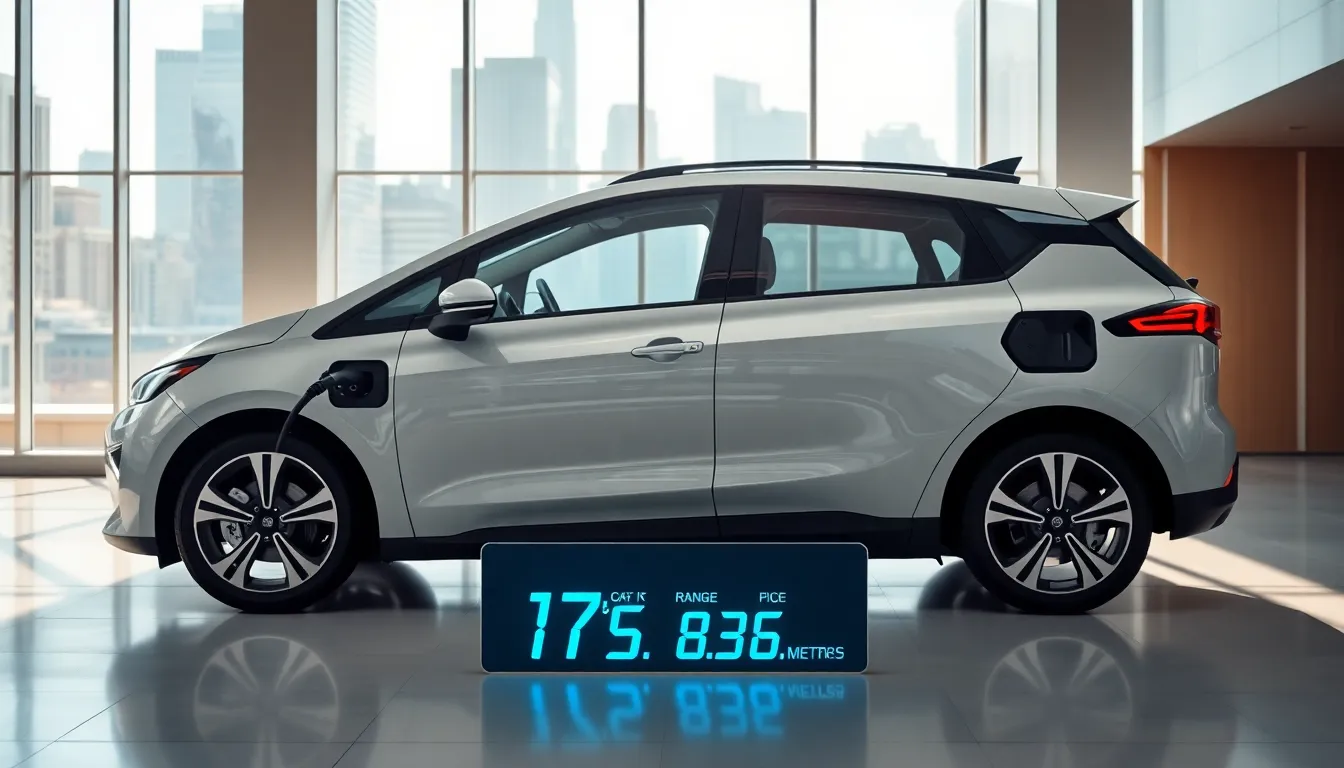
Range anxiety is fading fast. Many new EVs will offer 400+ miles on a single charge. Some flagship models are pushing toward 500 miles. That’s enough for most road trips without stopping to recharge.
Charging times are dropping too. Ultra-fast charging systems can now add 200 miles of range in under 15 minutes. This makes electric vehicles practical for people who don’t have home charging setups.
The electric vehicle trends 2026 show clearly: better batteries mean better cars. Drivers get more miles, shorter waits, and longer-lasting packs that hold their value over time.
Expanding Charging Infrastructure
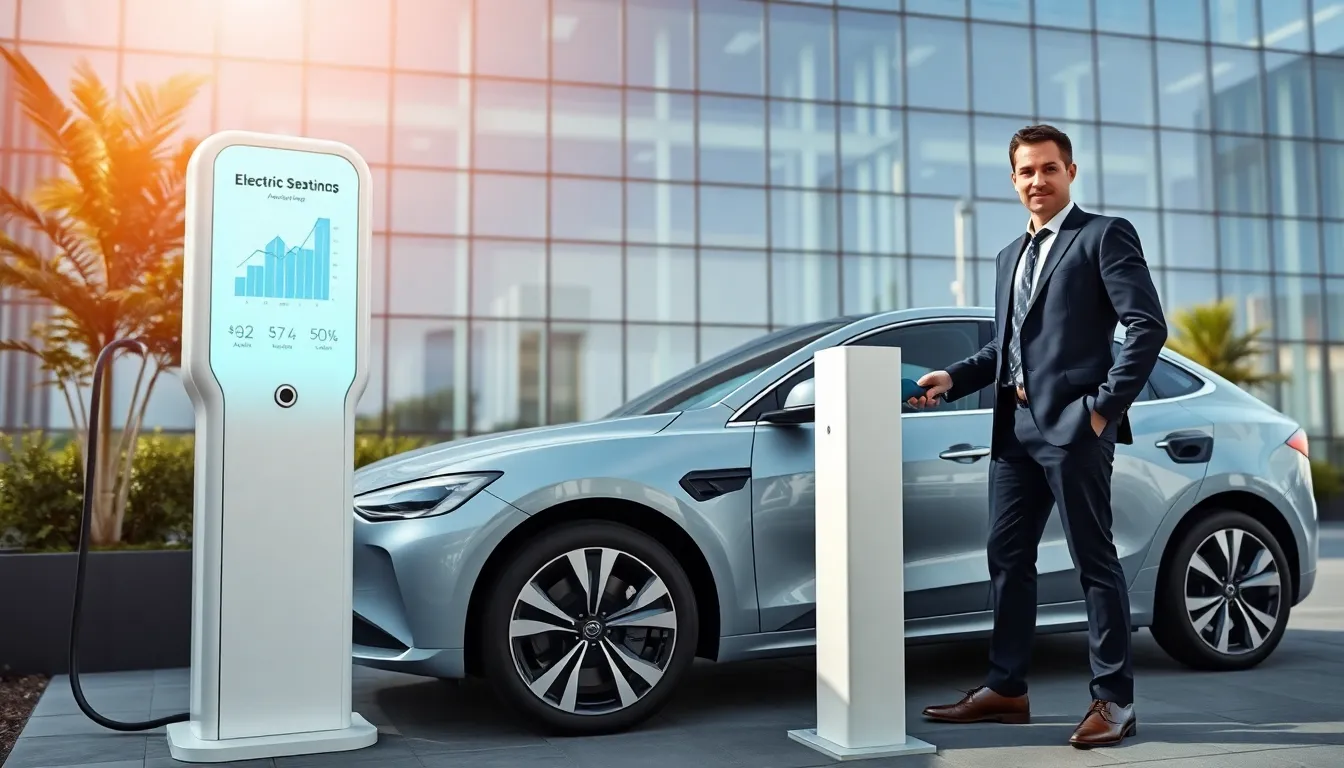
A great EV means nothing if drivers can’t charge it. That’s why charging infrastructure is expanding rapidly heading into 2026.
The U.S. alone is adding thousands of new public charging stations each month. Federal funding from the Infrastructure Investment and Jobs Act continues to flow into highway corridors and rural areas. Europe and China are building even faster.
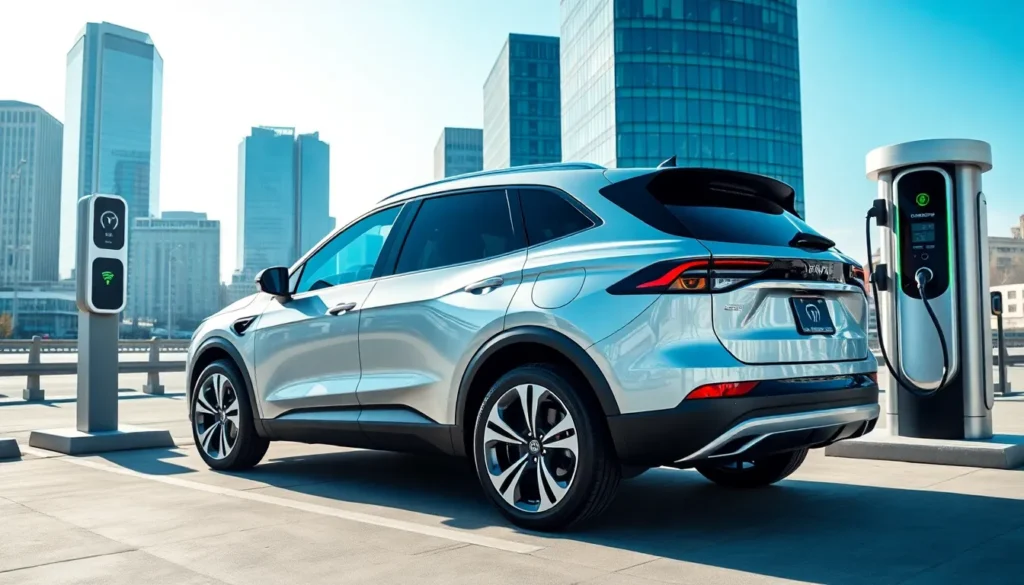
Fast-charging networks like Tesla Superchargers, Electrify America, and ChargePoint are upgrading existing stations to handle higher power levels. Many stations now support 350 kW charging, cutting wait times dramatically.
Workplace charging is growing too. More employers are installing stations in parking lots as an employee benefit. Apartment complexes and shopping centers are following suit.
One key electric vehicle trend 2026 brings is interoperability. Tesla opened its Supercharger network to other brands in 2024, and that access is expanding. Ford, GM, Rivian, and others have adopted the NACS charging standard, which means fewer adapters and less confusion at public stations.
By the end of 2026, finding a charger will feel as routine as finding a gas station.
More Affordable EV Options for Consumers
Price has been the biggest barrier to EV adoption. That barrier is crumbling.
In 2026, buyers will find more electric vehicles priced under $35,000. Some models will dip below $30,000 before incentives. The Chevrolet Equinox EV, for example, starts around $35,000 and offers over 300 miles of range.
Chinese automakers are pushing prices even lower in markets where they’re allowed to compete. BYD’s Seagull sells for under $15,000 in some regions. While tariffs limit these options in the U.S., they’re putting pressure on global pricing.
Battery costs continue to fall. Lithium-iron-phosphate (LFP) batteries cost less than traditional lithium-ion packs, and they’re becoming more common in entry-level EVs. These batteries are safer, last longer, and don’t require cobalt or nickel.
Federal and state tax credits still apply to many models. Buyers can save $7,500 or more on qualifying vehicles. Some states add additional rebates.
The electric vehicle trends 2026 reveal a clear pattern: EVs are becoming cars for everyone, not just early adopters with deep pockets.
The Rise of Electric Trucks and SUVs
Americans love trucks and SUVs. Automakers have noticed.
2026 will bring a wave of new electric trucks and full-size SUVs to showrooms. The Ford F-150 Lightning continues to sell well, and competitors are catching up. The Chevrolet Silverado EV, Ram 1500 REV, and GMC Sierra EV are all hitting production.
These trucks aren’t just for show. They can tow trailers, haul cargo, and power job sites. The F-150 Lightning’s Pro Power Onboard feature lets workers run tools directly from the truck’s battery. The Silverado EV offers up to 400 miles of range with its largest battery pack.
Electric SUVs are expanding beyond luxury brands. The Kia EV9 and Hyundai Ioniq 9 offer three-row seating for families. These vehicles compete directly with gas-powered options like the Honda Pilot and Toyota Highlander.
This shift matters for electric vehicle trends 2026 because trucks and SUVs account for over 70% of new vehicle sales in the U.S. If EVs can’t compete in these segments, mass adoption stalls. But they can compete, and they are.
Autonomous Driving Features and Software Integration
Electric vehicles and advanced software go hand in hand. In 2026, expect more cars to drive themselves, at least part of the time.
Tesla’s Full Self-Driving system continues to improve through over-the-air updates. GM’s Super Cruise and Ford’s BlueCruise offer hands-free highway driving on mapped roads. Mercedes-Benz has received approval for Level 3 autonomous driving in certain conditions, meaning the car takes full responsibility.
These systems rely on cameras, radar, and AI to read the road. They handle lane changes, navigate traffic, and even park themselves. Drivers still need to pay attention, but the technology is getting closer to true autonomy.
Software updates are changing how owners experience their cars. New features arrive overnight. Bug fixes roll out without dealer visits. Some automakers offer subscription services for premium features like enhanced navigation or performance boosts.
The electric vehicle trends 2026 show that EVs are becoming computers on wheels. They’re always connected, always learning, and always improving. For tech-savvy buyers, that’s a major draw.