Electric vehicle ideas are transforming how people think about cars, trucks, and personal mobility. The shift from gasoline to electricity isn’t just about swapping fuel sources, it’s sparking a wave of innovation across battery tech, charging networks, vehicle design, and digital connectivity.
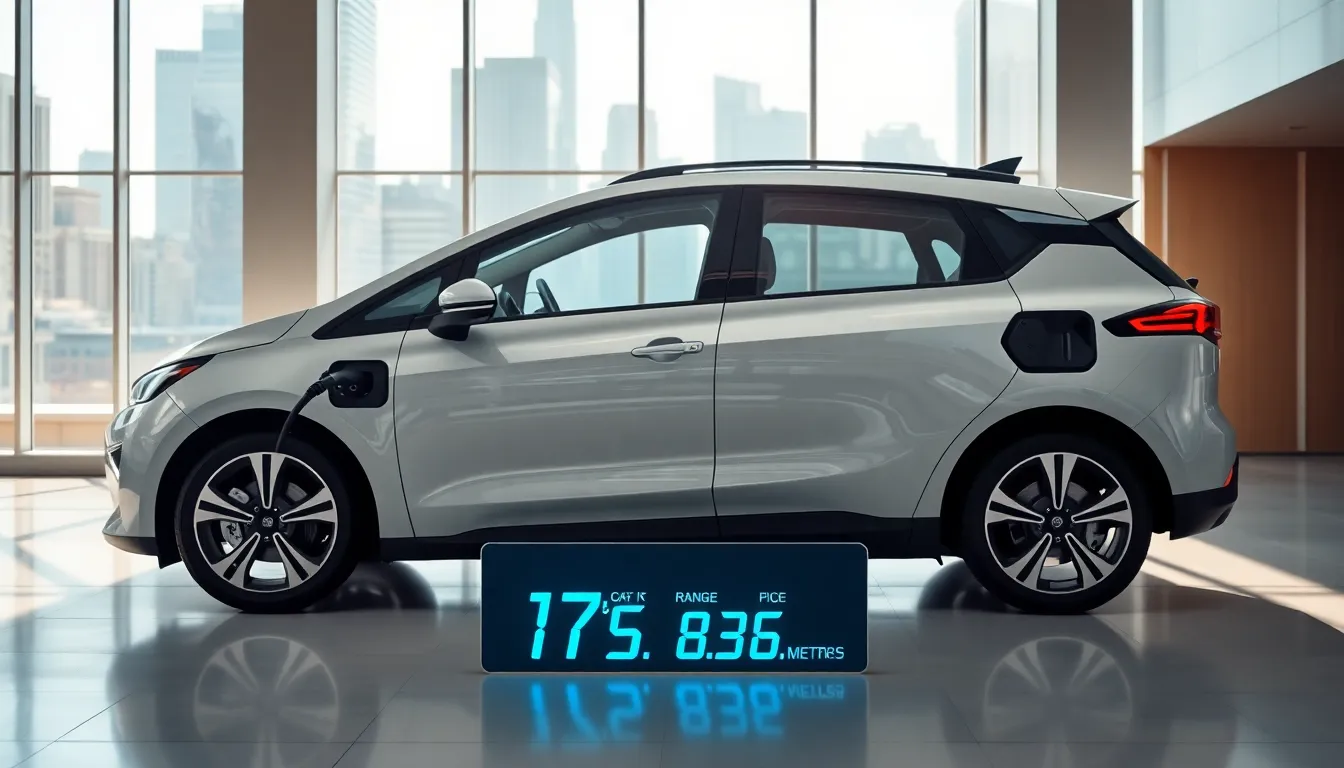
In 2024, global EV sales surpassed 17 million units, and that number keeps climbing. Automakers, startups, and tech companies are racing to solve the remaining friction points: range anxiety, charging speed, upfront costs, and sustainable manufacturing. The best electric vehicle ideas address these challenges head-on while pushing boundaries in unexpected directions.
This article explores the most promising innovations shaping electric transportation. From solid-state batteries to solar-powered charging stations, these concepts reveal where the industry is heading, and why the next decade will look very different from the last.
Table of Contents
ToggleKey Takeaways
- Solid-state batteries and silicon anode technology are leading electric vehicle ideas that promise longer range, faster charging, and improved safety by 2027-2028.
- Solar-powered and wireless charging infrastructure eliminates grid dependency and could end range anxiety through dynamic roadway charging systems.
- Skateboard platforms enable modular EV design, allowing manufacturers to build multiple vehicle types on shared components for cost-efficient production.
- Vehicle-to-Grid (V2G) technology transforms EVs into mobile power sources that can power homes during outages or earn owners money during peak demand.
- Sustainable materials like recycled fishing nets and plant-based composites are reducing the environmental footprint of EV production without sacrificing quality.
- Over-the-air updates and AI-powered predictive maintenance keep electric vehicles improving long after purchase while preventing costly breakdowns.
Breakthrough Battery Technologies
Battery technology sits at the heart of every electric vehicle idea worth discussing. The lithium-ion cells powering most EVs today work well, but they have limits. Researchers and manufacturers are developing alternatives that promise longer range, faster charging, and improved safety.
Solid-State Batteries
Solid-state batteries replace the liquid electrolyte in traditional cells with a solid material. This change offers several advantages. Energy density increases, meaning vehicles can travel farther on a single charge. The risk of fire drops significantly because solid electrolytes don’t ignite like liquid ones.
Toyota, QuantumScape, and Samsung SDI are investing billions in solid-state development. Toyota has announced plans to introduce solid-state batteries in production vehicles by 2027 or 2028. These cells could deliver 750 miles of range with charging times under 10 minutes.
Silicon Anode Technology
Another electric vehicle idea gaining traction involves silicon anodes. Traditional batteries use graphite anodes, but silicon can store ten times more lithium ions. The catch? Silicon expands and contracts during charging, which degrades the battery over time.
Companies like Sila Nanotechnologies and Amprius have developed solutions that manage this expansion. Mercedes-Benz has partnered with Sila to use silicon anode batteries in its EQ lineup. These batteries could boost energy density by 20-40% compared to current cells.
Recycling and Second-Life Applications
Sustainability concerns extend beyond emissions. EV batteries contain valuable materials, lithium, cobalt, nickel, that require responsible handling. Battery recycling programs recover these metals for use in new cells.
Redwood Materials, founded by former Tesla CTO JB Straubel, processes old batteries and manufacturing scrap. The company recovers over 95% of critical materials. Meanwhile, used EV batteries that no longer meet vehicle requirements can serve as stationary energy storage for homes and businesses.
Sustainable Charging Infrastructure Solutions
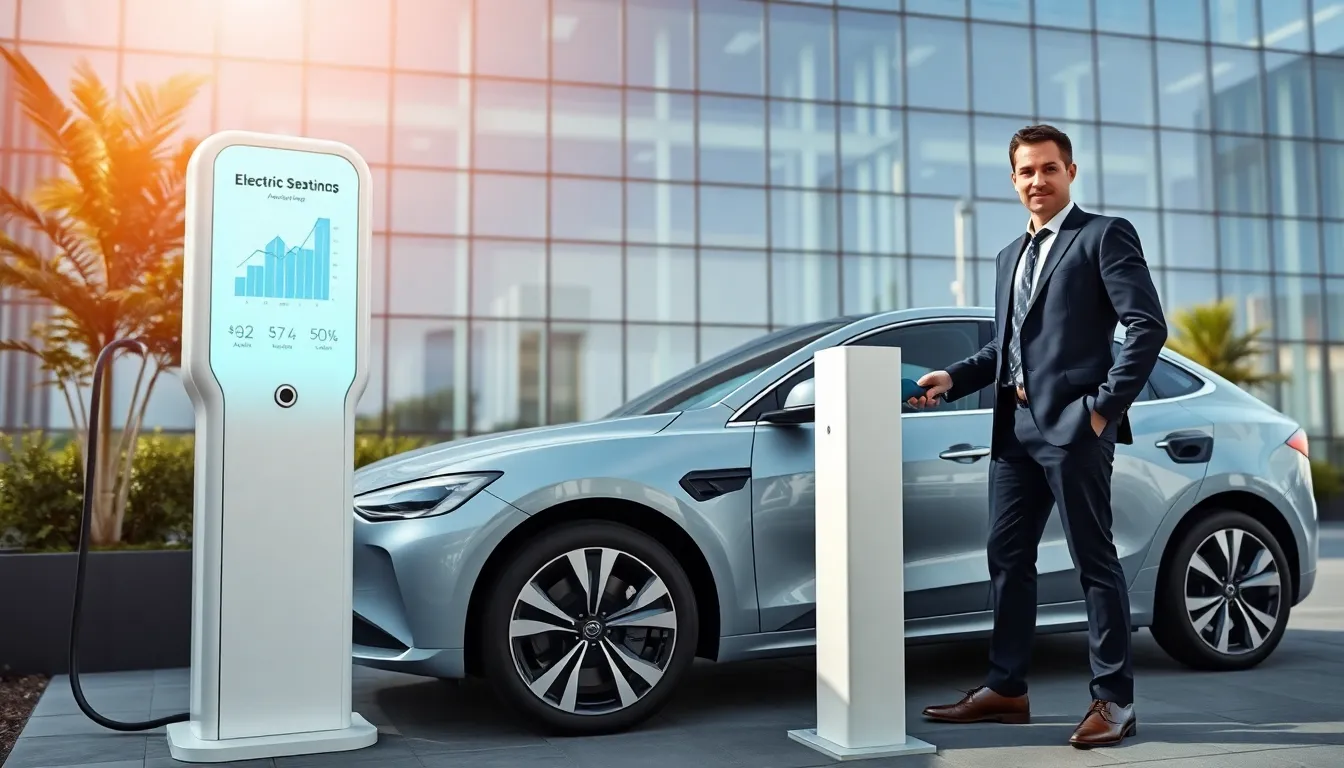
Great batteries mean nothing without places to charge them. Electric vehicle ideas for infrastructure focus on making charging faster, more accessible, and powered by clean energy.
Solar-Powered Charging Stations
Solar canopies over parking lots serve a dual purpose. They generate electricity while shading vehicles from the sun. This electric vehicle idea works especially well in sunny regions like California, Arizona, and the American Southwest.
Envision Solar produces mobile, solar-powered charging stations called EV ARC. These units require no grid connection, trenching, or permits. They can charge two EVs simultaneously and store energy for nighttime use.
Ultra-Fast Charging Networks
Charging speed determines whether EV ownership feels convenient or frustrating. Ultra-fast chargers delivering 350 kW can add 200 miles of range in about 15 minutes. Electrify America and IONITY are expanding networks of these high-powered stations across highways.
The next step? Megawatt-scale charging for commercial trucks. CharIN, an industry consortium, has developed the Megawatt Charging System (MCS) standard. This technology enables charging rates up to 3.75 MW, essential for long-haul electric trucking.
Wireless and Dynamic Charging
Wireless charging eliminates the need to plug in. Drivers park over an inductive pad, and electricity transfers to the vehicle’s battery automatically. WiTricity and Plugless Power offer aftermarket wireless charging systems for certain EV models.
Dynamic wireless charging takes this further. Embedded coils in roadways charge vehicles while they drive. Sweden has tested an electrified road near Stockholm, and similar pilot projects exist in Germany and Israel. This electric vehicle idea could eliminate range anxiety entirely.
Innovative EV Design Concepts
Electric drivetrains free designers from traditional constraints. No engine means no need for a long hood. Flat battery packs create skateboard platforms. These factors enable fresh approaches to vehicle architecture.
Modular and Skateboard Platforms
Skateboard platforms contain the battery, motors, and suspension in a flat unit. Various body styles can sit on top. Rivian, Canoo, and Arrival use this approach. It simplifies manufacturing and allows different vehicle types to share components.
Canoo’s Lifestyle Vehicle demonstrates this flexibility. The company offers passenger, cargo, and delivery versions on the same platform. Buyers get exactly the configuration they need without engineering a new vehicle from scratch.
Aerodynamic Optimization
Drag matters more for EVs than gasoline cars. Every bit of air resistance reduces range. The Mercedes-Benz EQXX concept achieved a drag coefficient of 0.17, lower than any production car. It drove over 1,000 km on a single charge during testing.
Designers use active grille shutters, flush door handles, and covered wheel wells to reduce drag. Some electric vehicle ideas include cameras replacing side mirrors, which can cut drag by 2-3%.
Sustainable Materials
EV interiors increasingly feature recycled and plant-based materials. BMW uses recycled fishing nets for floor mats. Polestar incorporates flax-based composites and cork vinyl. These choices reduce the environmental footprint of production without sacrificing quality or aesthetics.
Smart Integration and Connectivity Features
Electric vehicles aren’t just cars, they’re computers on wheels. Software and connectivity create opportunities that gasoline vehicles can’t match.
Vehicle-to-Grid (V2G) Technology
V2G allows EVs to send electricity back to the grid during peak demand. A parked EV becomes a mobile power plant. Owners can earn money by selling stored energy when prices spike.
The Ford F-150 Lightning can power a home for three days during outages. This bidirectional charging capability represents one of the most practical electric vehicle ideas for everyday consumers. It turns an expense into a potential asset.
Over-the-Air Updates
Tesla pioneered over-the-air (OTA) software updates for vehicles. Owners wake up to new features, improved range estimates, and fixed bugs. No dealer visit required. Other manufacturers have followed, though few match Tesla’s update frequency.
OTA updates extend the vehicle’s capabilities over time. A car purchased in 2024 might gain new driver assistance features in 2026. This approach changes the ownership experience fundamentally.
Predictive Maintenance and AI
Connected EVs generate massive amounts of data. Sensors track battery health, motor performance, and component wear. AI systems analyze this data to predict failures before they happen.
General Motors’ Ultifi platform processes vehicle data in real time. It can identify a degrading battery cell weeks before problems occur. Owners get maintenance alerts, and service appointments can be scheduled automatically. This proactive approach reduces breakdowns and repair costs.