Electric vehicle techniques can make or break the ownership experience. Drivers who understand their EVs get more range, longer battery life, and lower costs over time. Those who don’t? They often end up frustrated with charging times and unexpected range drops.
The shift to electric vehicles represents one of the biggest changes in automotive history. But owning an EV requires a different mindset than driving a gas-powered car. Battery management, charging habits, driving style, and maintenance all work differently. The good news: mastering these electric vehicle techniques isn’t hard. It just takes some knowledge and a few habit changes.
This guide covers the essential methods every EV owner should know. From battery care to driving strategies, these techniques will help maximize efficiency and extend vehicle longevity.
Table of Contents
ToggleKey Takeaways
- Keep your EV battery between 20-80% charge for daily use to slow degradation and extend battery lifespan.
- Level 2 home charging offers the best balance of speed, cost savings, and battery health compared to frequent DC fast charging.
- Efficient driving techniques like smooth acceleration, moderate highway speeds, and maximizing regenerative braking can increase your range by 20-30%.
- Use seat heaters and precondition your cabin while plugged in to reduce climate control drain on your battery.
- Electric vehicles require less maintenance than gas cars, but prioritize tire rotations, brake system checks, and software updates for optimal performance.
- Mastering these electric vehicle techniques protects your battery investment and ensures a better ownership experience over time.
Understanding EV Battery Management
The battery pack is the heart of any electric vehicle. It’s also the most expensive component to replace. Smart battery management techniques protect this investment and maintain performance over years of ownership.
Lithium-ion batteries, the type used in most EVs, prefer to stay between 20% and 80% charge for daily use. This range reduces stress on battery cells and slows degradation. Charging to 100% or draining to near-zero occasionally won’t cause immediate damage, but making it a habit will shorten battery lifespan.
Temperature plays a major role in battery health. Extreme heat accelerates chemical degradation inside cells. Extreme cold temporarily reduces range and charging speed. Most modern electric vehicles include thermal management systems that heat or cool the battery as needed. Parking in shade during summer and in a garage during winter helps these systems work more efficiently.
Battery Conditioning
Many EVs offer battery preconditioning features. This function warms or cools the battery before driving or charging. Preconditioning improves charging speed at fast chargers and increases available range in cold weather. Some vehicles do this automatically when drivers set a departure time or route to a DC fast charger.
Battery degradation happens to all EVs over time. But, proper electric vehicle techniques slow this process significantly. Studies show that well-maintained EV batteries retain 80-90% of their original capacity after 200,000 miles. Poor habits can cut that figure dramatically.
Optimizing Charging Practices
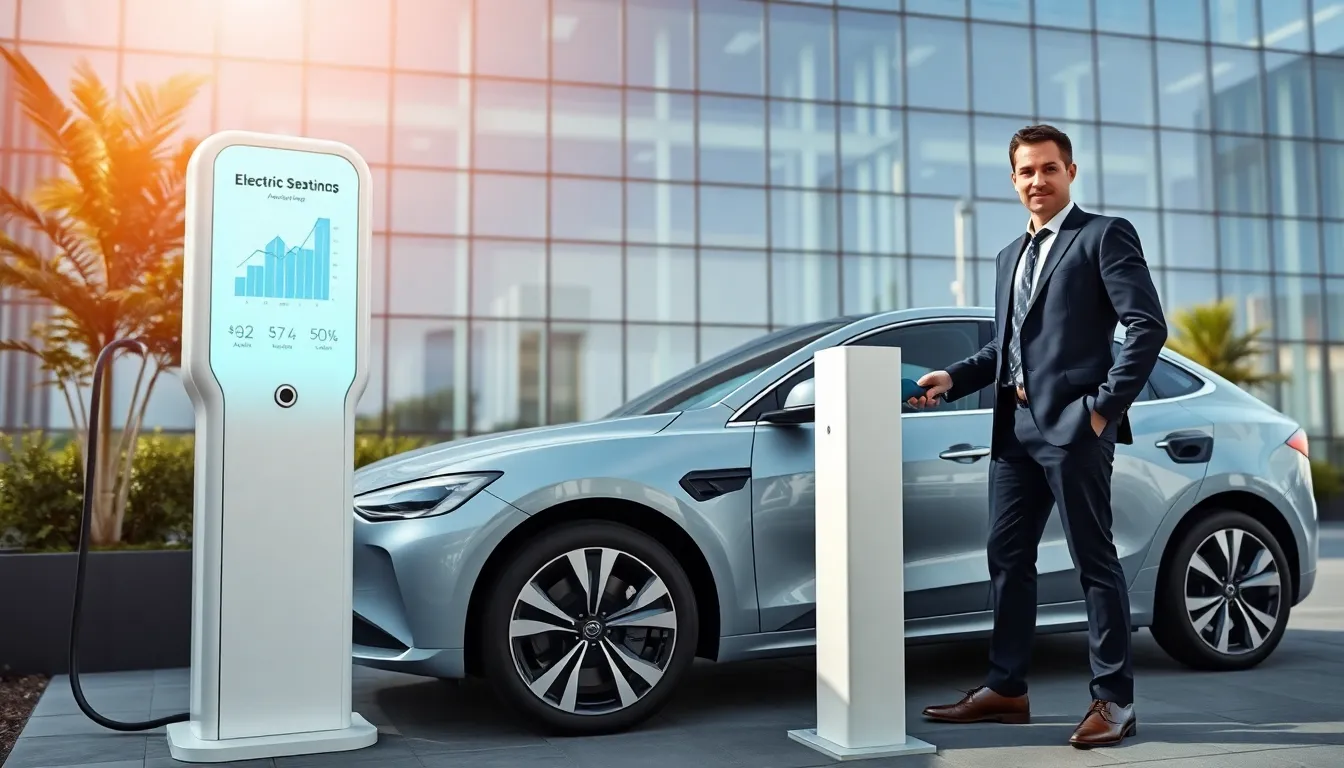
Charging strategy affects both daily convenience and long-term battery health. The best electric vehicle techniques balance speed, cost, and battery preservation.
Level 2 charging (240V) represents the sweet spot for most owners. It’s fast enough to fully charge overnight but gentle enough to minimize battery stress. Home charging during off-peak hours often costs the equivalent of $1-2 per gallon of gas. That’s a significant savings compared to public charging rates.
DC fast charging delivers impressive speed, some EVs can gain 200 miles of range in under 30 minutes. But this convenience comes with trade-offs. Fast charging generates more heat and puts greater stress on battery cells. Using DC fast chargers exclusively can accelerate degradation by 10-20% compared to Level 2 charging alone.
Smart Charging Habits
The 20-80% rule mentioned earlier applies especially to charging. Setting a charge limit in the vehicle’s software prevents overcharging during daily use. Save 100% charges for long trips when maximum range matters.
Timing matters too. Charging immediately after a long drive means the battery is already warm from use. This heat, combined with charging heat, can stress the pack. Waiting 15-30 minutes for the battery to cool produces better results.
Public charging networks continue to expand rapidly. Apps like PlugShare help drivers locate stations and check availability. Planning charging stops in advance reduces range anxiety and ensures access to preferred charger types.
Maximizing Range Through Driving Techniques
Driving style has a huge impact on EV range. Aggressive acceleration and high speeds drain batteries faster than smooth, steady driving. Mastering efficient electric vehicle techniques can add 20-30% to real-world range.
Regeneration braking converts kinetic energy back into electricity when slowing down. Most EVs let drivers adjust regeneration strength. Higher settings maximize energy recovery but require adjustment to the “one-pedal driving” feel. Lower settings feel more like traditional cars but capture less energy.
Speed dramatically affects efficiency. Air resistance increases exponentially with velocity. An EV that achieves 4 miles per kWh at 55 mph might only get 2.5 miles per kWh at 80 mph. Highway trips at moderate speeds extend range significantly.
Climate Control Efficiency
Heating and air conditioning draw substantial power from the battery. Some electric vehicle techniques reduce this drain without sacrificing comfort:
- Use seat heaters and steering wheel heaters instead of cabin heating when possible. They warm occupants directly using less energy.
- Precondition the cabin while plugged in. This brings the interior to a comfortable temperature using grid power rather than battery power.
- Recirculate cabin air rather than constantly heating or cooling outside air.
- Park in shade during summer to reduce initial cooling load.
Route planning software in most EVs calculates energy needs based on elevation changes, weather, and driving conditions. These predictions help drivers choose efficient routes and identify necessary charging stops.
Maintenance Techniques for Electric Vehicles
Electric vehicles require less maintenance than gas cars. No oil changes, no spark plugs, no transmission fluid. But “less” doesn’t mean “none.” Proper electric vehicle techniques for maintenance keep EVs running smoothly.
Tires deserve extra attention on EVs. The instant torque from electric motors causes faster tire wear, especially on performance models. EVs also weigh more than comparable gas vehicles due to battery mass. This combination means more frequent tire rotations and replacements. Many manufacturers recommend EV-specific tires designed for the unique demands of electric powertrains.
Brake systems last much longer on EVs thanks to regenerative braking. The friction brakes see less use, which sounds good but creates its own issue. Brake rotors can develop rust and corrosion from sitting unused. Occasional hard braking cleans the rotors and keeps the system ready for emergency stops.
Fluid Checks and Software Updates
EVs still use several fluids that need periodic attention:
- Coolant for battery thermal management
- Brake fluid (standard replacement intervals apply)
- Windshield washer fluid
- Transmission fluid in some models
Software updates represent a unique aspect of EV ownership. Manufacturers regularly release updates that improve range, add features, and fix bugs. Keeping software current ensures optimal performance. Most updates install automatically over WiFi, though some require dealer visits.
Cabin air filters need replacement every 15,000-20,000 miles. This simple maintenance task maintains air quality and HVAC efficiency. The 12V auxiliary battery, separate from the main drive battery, also requires eventual replacement, typically every 4-5 years.