Learning how to charge electric vehicles is essential for any EV owner or prospective buyer. Electric vehicles have become increasingly popular, but the charging process can seem confusing at first. This guide breaks down everything drivers need to know about EV charging, from understanding different charging levels to maximizing battery life. Whether someone charges at home or relies on public stations, the right knowledge makes EV ownership simple and stress-free.
Table of Contents
ToggleKey Takeaways
- Electric vehicle charging comes in three levels: Level 1 (slowest, standard outlet), Level 2 (home stations), and DC fast charging (quickest for road trips).
- Home charging is the most convenient option, with 80% of EV owners charging at home using Level 1 or Level 2 equipment.
- Keep your electric vehicle battery between 20% and 80% for daily driving to preserve long-term battery health.
- Use apps like PlugShare or ChargePoint to locate public charging stations and check real-time availability before road trips.
- Limit frequent DC fast charging and avoid deep battery discharges below 10% to extend your EV battery’s lifespan.
- Charge during off-peak electricity hours and use smart chargers to automate scheduling and reduce costs.
Understanding Electric Vehicle Charging Levels
Electric vehicle charging comes in three distinct levels, each offering different speeds and use cases. Understanding these levels helps drivers choose the right option for their needs.
Level 1 Charging
Level 1 charging uses a standard 120-volt household outlet. This method is the slowest option, adding roughly 3-5 miles of range per hour. Most electric vehicles come with a Level 1 charger included. It works well for plug-in hybrids or drivers with short daily commutes. But, charging a fully depleted battery can take 40-50 hours with Level 1.
Level 2 Charging
Level 2 charging requires a 240-volt outlet, the same type used for dryers or ovens. This level adds 12-30 miles of range per hour, depending on the vehicle and charger. Most home charging stations use Level 2 equipment. Public charging stations at workplaces, shopping centers, and hotels typically offer Level 2 charging as well. A full charge usually takes 4-10 hours.
Level 3 (DC Fast Charging)
Level 3 charging, also called DC fast charging, provides the quickest charge times. These stations can add 100-200 miles of range in just 30 minutes. DC fast chargers are found along highways and in commercial areas. They’re ideal for long trips when drivers need a quick top-up. Not all electric vehicles support DC fast charging, so owners should verify compatibility before relying on this option.
How to Charge Your EV at Home
Home charging is the most convenient way to keep an electric vehicle powered. Most EV owners complete 80% or more of their charging at home.
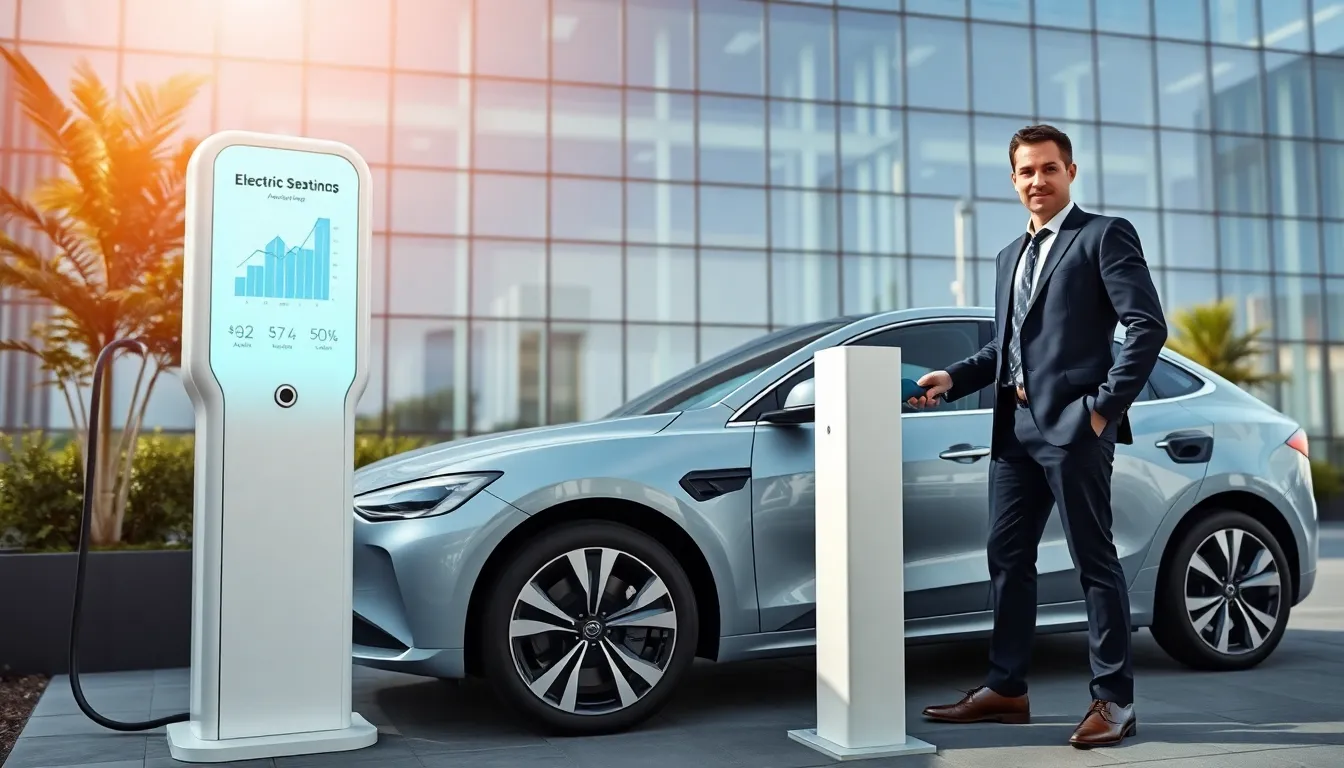
Setting Up a Home Charging Station
The first step involves deciding between Level 1 and Level 2 charging. Level 1 requires no installation, drivers simply plug into any standard outlet. Level 2 requires a dedicated 240-volt circuit and a charging station (also called an EVSE). Many homeowners hire a licensed electrician for installation, which typically costs $500-$2,000 depending on electrical panel upgrades needed.
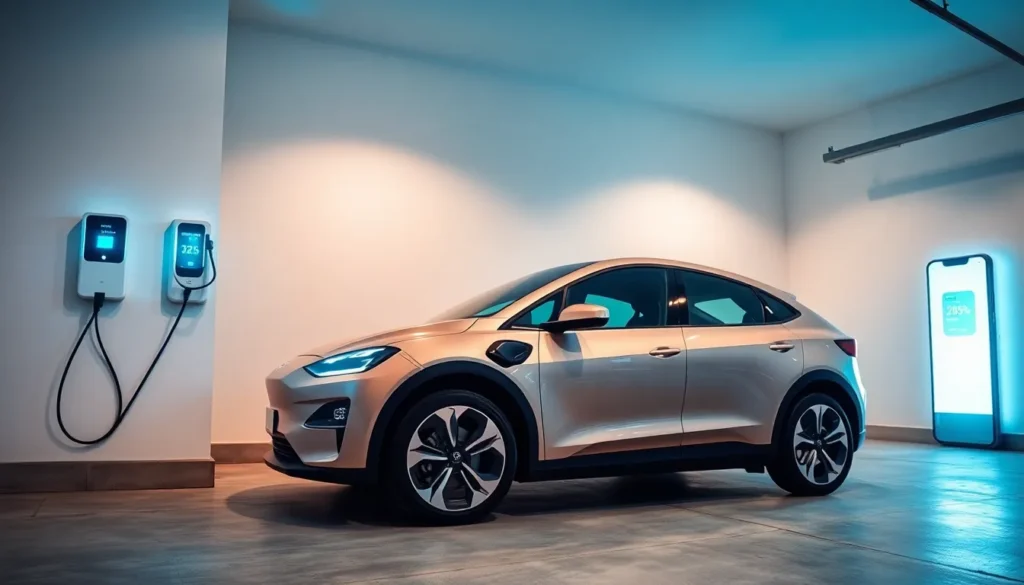
Popular Level 2 home chargers include models from ChargePoint, JuiceBox, and Tesla’s Wall Connector. Smart chargers offer features like scheduling, energy monitoring, and smartphone apps.
Best Practices for Home Charging
Drivers should charge their electric vehicles during off-peak hours when electricity rates are lower. Many utility companies offer EV-specific rate plans with discounted nighttime rates. Setting a charging schedule through the vehicle’s app or the charger itself automates this process.
Keeping the charge level between 20% and 80% for daily driving helps preserve battery health. Charging to 100% is fine for long trips, but regular full charges can accelerate battery degradation over time.
Using Public Charging Stations
Public charging stations provide essential support for electric vehicle owners, especially during long trips or for those without home charging access.
Finding Charging Stations
Several apps and websites help drivers locate public charging stations. PlugShare, ChargePoint, and the vehicle’s built-in navigation system show nearby options. These tools display real-time availability, pricing, and charger types. Planning charging stops before a road trip prevents range anxiety and delays.
Charging networks like Electrify America, EVgo, and Tesla Superchargers operate stations across the country. Some networks require membership or specific payment apps, while others accept credit cards directly.
How to Use Public Chargers
Using a public charger follows a simple process. First, the driver parks in a designated EV charging spot. Next, they open the charging port on their vehicle. Then, they authenticate payment through an app, RFID card, or credit card terminal. Finally, they connect the charging cable to the vehicle.
Most stations display charging progress on a screen or send updates to the driver’s phone. Good etiquette suggests moving the vehicle promptly after charging completes, allowing others to use the station.
Tips for Maximizing Battery Life and Efficiency
Electric vehicle batteries degrade over time, but smart habits can extend their lifespan significantly.
Temperature Management
Extreme temperatures affect battery performance and longevity. Parking in shade or a garage during hot weather prevents unnecessary battery strain. In cold weather, preconditioning the vehicle while still plugged in warms the battery efficiently. Many electric vehicles offer scheduled climate control through their apps.
Charging Habits That Preserve Battery Health
Avoiding frequent DC fast charging helps maintain battery health. While convenient, the high-speed charging generates heat that can stress battery cells over time. Using Level 2 charging for daily needs and reserving DC fast charging for road trips is the better approach.
Drivers should also avoid letting the battery drop below 10% regularly. Deep discharges strain the battery more than keeping it within a moderate range.
Driving Efficiently
Gentle acceleration and regenerative braking improve range and reduce battery wear. Using eco modes when available optimizes energy consumption. Maintaining proper tire pressure also improves efficiency, underinflated tires increase rolling resistance and drain the battery faster.